Wondering whether a historic home in Santa Barbara’s Upper East is a dream buy or a renovation puzzle? In many cases, it is both. If you love character, walkable streets, and homes with a story, this neighborhood offers a rare mix of charm and convenience, but it also asks you to buy with your eyes open. This guide will help you understand what makes Upper East special, what to check before you write an offer, and how to plan for ownership with confidence. Let’s dive in.
Why Upper East draws buyers
Upper East is one of Santa Barbara’s most established residential neighborhoods. According to the City, it spans about 377 acres with 1,436 dwelling units, and it sits between Mission Creek and Las Encinas Road to the north, Sola Street to the south, State Street to the west, and Laguna, Olive Avenue, and Olive Street to the east.
What many buyers notice first is the setting. The neighborhood is known for historic streetscapes, pedestrian-sized blocks, access to city parks, and a location within walking distance of Downtown. The City also notes that the northern part of Upper East includes spacious single-family homes set back from the street on large lots, which adds to the area’s residential feel.
That combination matters when you are buying a home for both lifestyle and long-term use. You get a quieter residential environment close to the urban core, plus the kind of neighborhood fabric that tends to remain desirable over time.
Upper East is not one-style historic
One of the biggest misconceptions about Upper East is that every older home fits one neat architectural label. In reality, the neighborhood is better understood as a layered historic area with a range of styles.
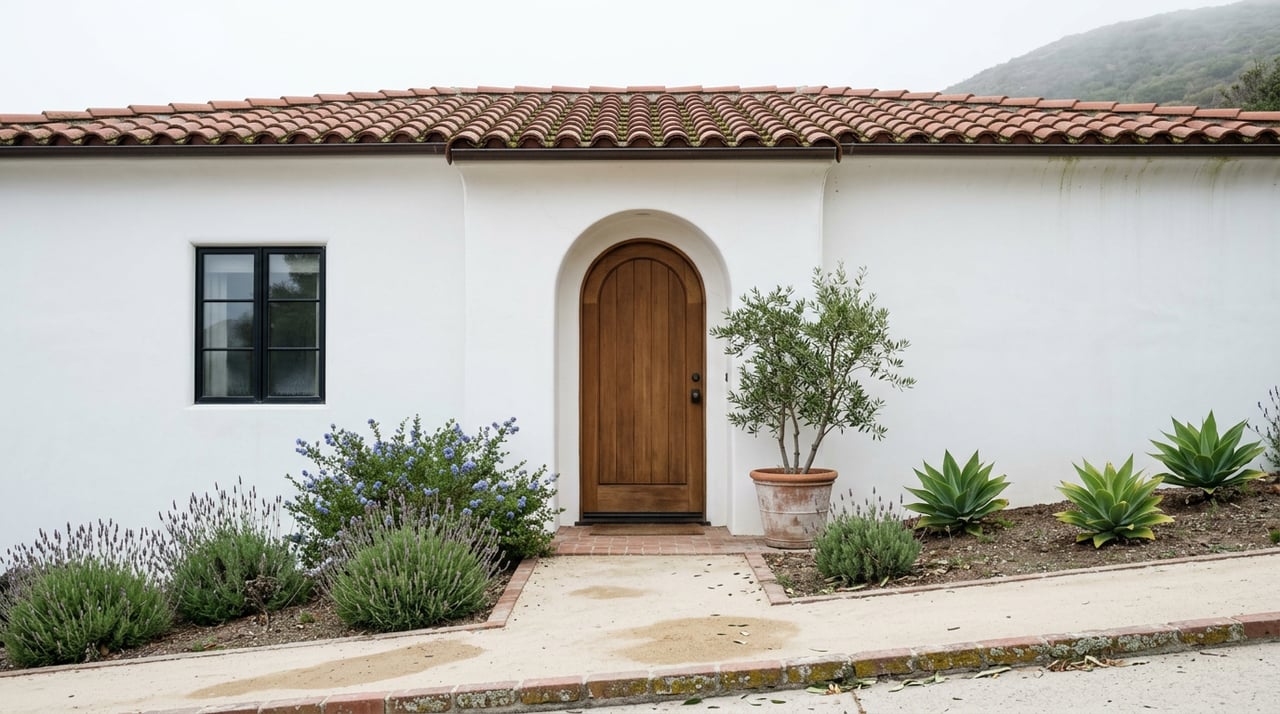
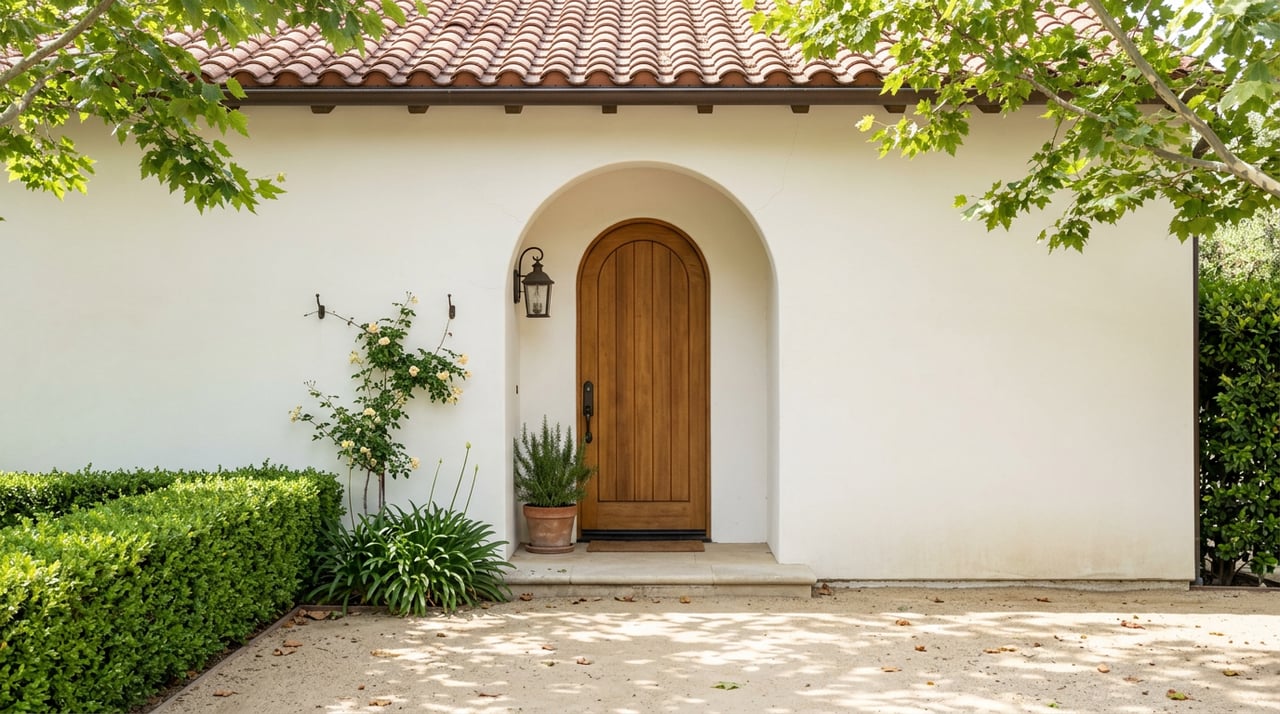
City sources describe Upper East as having exotic revivals, and recent staff reporting points to Italianate, Queen Anne, Craftsman, and Period Revival or Mission Revival architecture in the surrounding fabric. City design examples also include American Colonial Revival and Italian Mediterranean homes.
For you as a buyer, that means two things. First, a home’s details may be highly specific to its era and style. Second, renovation decisions often make more sense when they respond to the home’s actual architecture instead of following a generic update plan.
Historic designation matters more than style
A house can look historic without being officially designated. That is an important distinction, because city review and preservation rules often depend on a property’s formal status, not just its appearance.
Before you move forward, confirm whether the property is:
- On the City’s Local Register
- Designated as a Landmark
- Designated as a Structure of Merit
- Located within a historic district overlay
The City’s Historic Treasures map and designation pages are the official starting point for this research. This is one of the first checks we recommend for buyers considering an older Upper East property, because it can shape everything from remodeling plans to future carrying costs.
What changes may trigger city review
If you are picturing a quick cosmetic remodel, pause before you assume the process will be simple. Under the City’s preservation rules, major exterior alterations to historic resources are only approved when they restore or substantially aid preservation and remain consistent with the Secretary of the Interior’s Standards.
In practical terms, the most common trigger points for buyers are usually:
- Additions
- Facade changes
- Window replacement
- Demolition
Ordinary day-to-day upkeep is generally a different category. The bigger issue is that changes affecting historic character can face a much higher level of review than you might expect in a non-historic home.
Demolition is especially restricted
For designated historic resources, demolition is not just another project option. The City’s rules tightly limit demolition of historic resources, and the City states that a Landmark generally cannot be demolished unless there is an unforeseeable natural casualty, such as earthquake or fire.
That matters even if you are not planning to tear anything down. If your long-term vision depends on major structural change, a property’s historic status should be evaluated early, before you invest time and money in a plan that may not be realistic.
What to know about windows and original materials
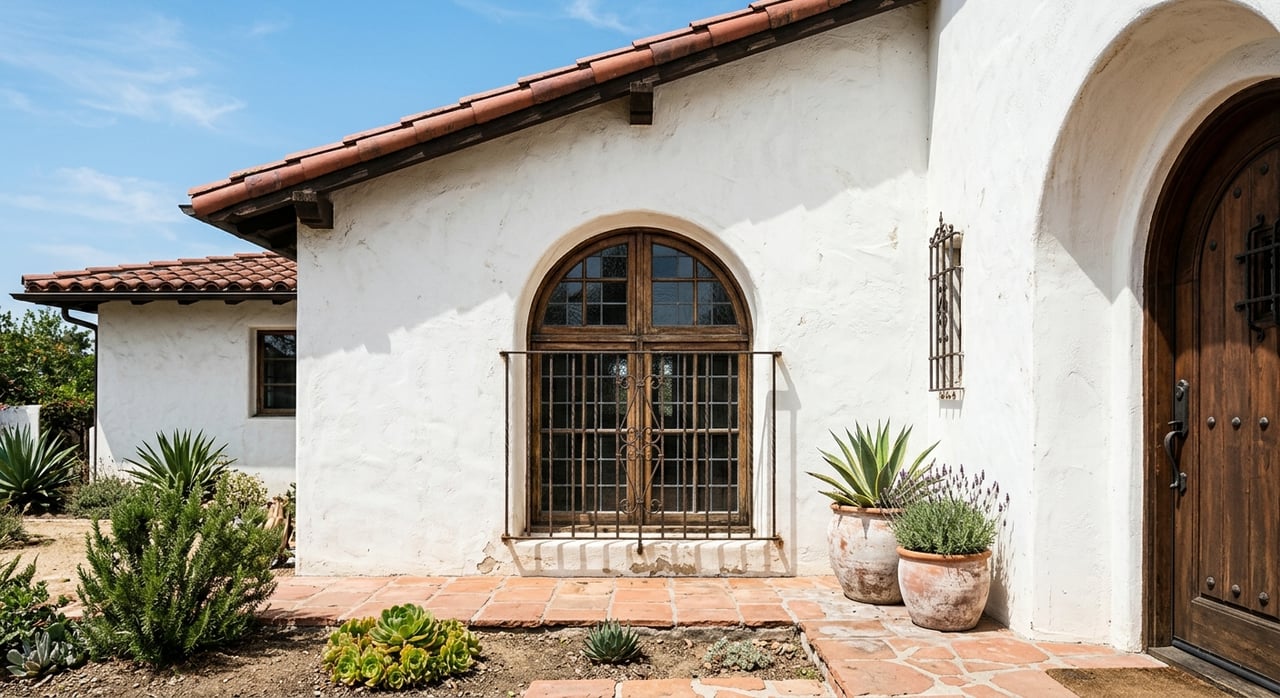
Windows often become a key decision point in historic homes. Buyers are sometimes surprised to learn that preservation guidance generally favors repair over replacement when feasible, especially for deteriorated historic features.
National Park Service guidance specifically notes that original windows should be repaired rather than replaced when possible, and that regular maintenance can extend their life. In a neighborhood like Upper East, that usually means you should approach windows, trim, and exterior details as assets to preserve, not just old components to swap out.
This does not mean you can never make updates. It means your inspection and remodeling plan should be preservation-minded from the start.
Budget for maintenance differently
A historic home budget should look different from a standard resale home budget. Along with the usual systems review, you should plan for preservation-sensitive maintenance and the possibility that exterior work may require a more careful scope, more specialized labor, or more time.
Common areas to review closely include:
- Windows and wood repair needs
- Exterior paint condition
- Roofing and drainage patterns
- Foundation and moisture issues
- Older mechanical systems
- Prior alterations that may affect historic integrity
If the home was built before 1978, lead-safe renovation rules also matter when work disturbs lead-based paint. That can affect both project planning and cost, especially if you are updating painted surfaces or older trim.
Use a preservation-minded due diligence process
When you buy in Upper East, the goal is not to avoid older homes. The goal is to evaluate them with the right lens. A standard cosmetic-flip mindset often misses the issues that matter most in a historic property.
A stronger due diligence process usually includes:
- Confirming the home’s designation status with the City
- Reviewing any known approvals or past exterior alterations
- Assessing original features that contribute to historic character
- Getting inspections that reflect the age and construction of the home
- Building a remodeling plan around preservation constraints
- Pricing near-term maintenance before closing
This approach helps you understand not just what the home is today, but what ownership will likely require over the next several years.
Ask about Mills Act opportunities
Historic ownership is not only about restrictions. Santa Barbara also offers preservation incentives that may benefit qualifying properties.
The City offers Mills Act historic property contracts, which can reduce property taxes for qualifying historic resources. California’s Historical Building Code can also provide an alternative code path for qualified historic buildings.
These programs do not apply to every property, and eligibility should be verified directly through the appropriate city process. Still, if you are comparing two historic homes or trying to estimate long-term carrying costs, this is an important question to ask early.
Why buyers still love Upper East
Even with the extra homework, Upper East continues to attract buyers for good reason. The neighborhood offers a rare blend of walkability, downtown proximity, city parks, and established historic character.
For many buyers, that translates into a lifestyle that feels connected but not overly busy. You can enjoy a residential setting within the historic street grid, while still staying close to the energy of central Santa Barbara. City pedestrian planning materials also support the idea that the area is generally walkable, though Mission Street and the US-101 interchange can create some pedestrian friction in certain areas.
That balance is part of what makes Upper East stand out. You are not just buying square footage. You are buying into a specific kind of neighborhood experience that is increasingly hard to replicate.
How to buy with confidence
If you are serious about buying a historic home in Upper East, clarity beats speed. The right property can be incredibly rewarding, but the smartest buyers take time to understand designation status, likely review triggers, and the real cost of maintaining original character.
That is where local guidance matters. In a neighborhood with layered architecture and city-specific preservation rules, small details can shape both your buying decision and your long-term plans.
If you are considering a historic home in Upper East and want practical guidance on the neighborhood, the property, and the buying process, contact The Hall Team for a local market consultation.
FAQs
What makes Santa Barbara’s Upper East appealing to homebuyers?
- Upper East offers a primarily residential setting with historic streetscapes, city parks, walkable blocks, and proximity to Downtown Santa Barbara.
How can you tell if an Upper East home is officially historic?
- You should confirm whether the property is on the City’s Local Register, designated as a Landmark or Structure of Merit, or located within a historic district overlay.
What exterior changes to a historic home in Upper East may need review?
- Common trigger points include additions, facade changes, window replacement, and demolition.
Can you replace original windows in a historic Upper East home?
- You may need to approach window work carefully, because preservation guidance generally favors repairing original historic windows when feasible.
Are there tax incentives for historic homes in Santa Barbara’s Upper East?
- Some qualifying historic properties may be eligible for a Mills Act contract, which can reduce property taxes.
What should you budget for when buying an older home in Upper East?
- You should plan for preservation-sensitive maintenance, possible window and paint work, older systems, and lead-safe renovation requirements if the home was built before 1978 and work will disturb lead-based paint.