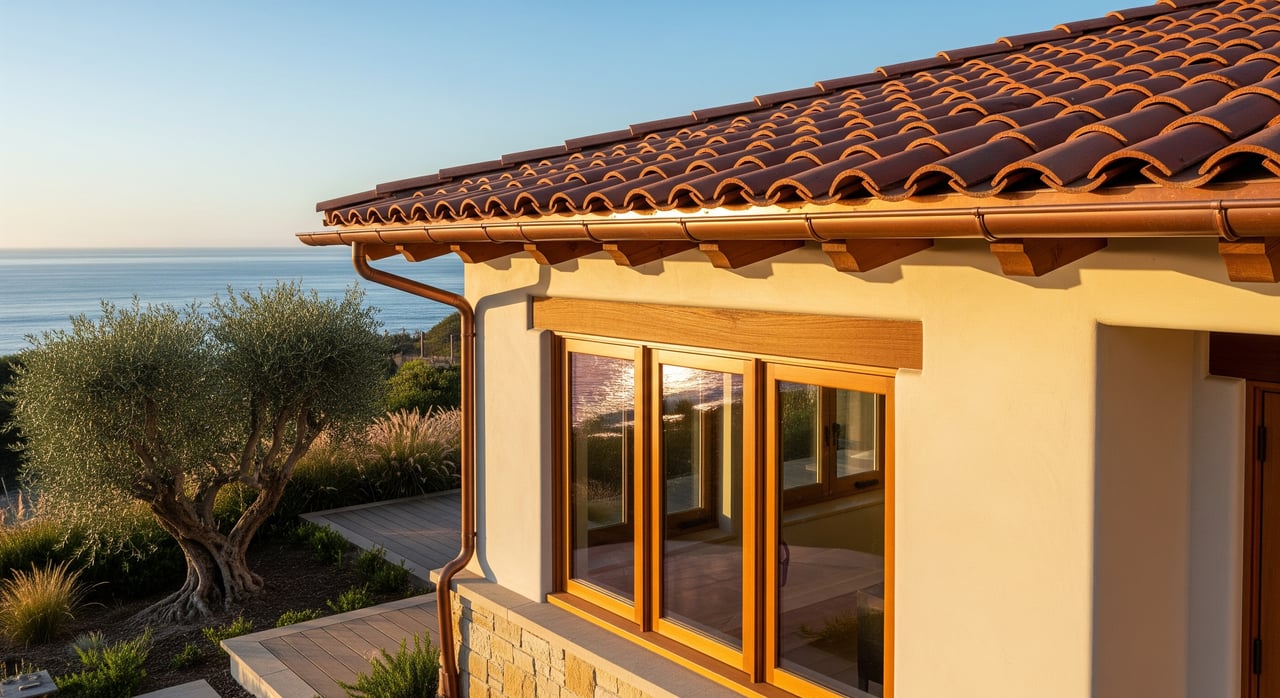
Are you eyeing a Summerland home with ocean views and breezy decks? Coastal living is special, but salt air, moisture, and hillside terrain can be tough on a house. If you are new to coastal ownership, a clear, local-first inspection plan will help you buy with confidence and avoid expensive surprises.
In this guide, you will learn which inspections matter most in Summerland, how to schedule them during escrow, and how to handle common findings like drainage, corrosion, and bluff stability. You will also get a checklist you can use from day one. Let’s dive in.
Why Summerland inspections matter
Summerland sits on coastal bluffs and hillside terrain where homes face salt spray, wind, and higher moisture. These conditions can speed up corrosion, wear out roofing and exterior materials, and reveal weaknesses in drainage or grading. Many properties are also near slopes, which adds questions about settlement and soil movement.
Parts of Summerland fall under the California Coastal Act and the local coastal program. Work on or near the coast can require specific permits and setbacks. To understand coastal rules, review guidance from the California Coastal Commission.
California sellers provide two key disclosures: the Transfer Disclosure Statement and the Natural Hazard Disclosure. These outline known conditions and mapped hazards. For more detail, you should check hazard tools like the FEMA Flood Map Service Center, the California Geological Survey for tsunami and bluff information, and CalFire for wildfire hazard mapping. These tools do not replace inspections. They help you decide which specialists to bring in.
Core inspections to plan
General home inspection
A certified general inspector reviews the roof, exterior, foundation and framing where visible, electrical, plumbing, HVAC, insulation and ventilation, windows and doors, and signs of moisture or mold. In Summerland, ask for a pro who understands coastal and hillside homes. They should look closely at flashing, tile and underlayment, corrosion on metal parts, grading and downspouts, and any signs of settlement.
To vet credentials, check professional associations such as ASHI or InterNACHI.
Pest and wood-destroying organism inspection
A licensed structural pest control operator checks for termites, dry rot, fungal decay, and conditions that invite infestation. Coastal moisture can raise the risk. You can confirm licensing and standards through the California Structural Pest Control Board.
Structural or foundation engineer
If the general inspection notes sloping floors, cracking, or settlement, bring in a licensed structural engineer. They can assess foundations, framing, retaining walls, and any slope-related movement. This is especially important on steep or bluff-adjacent lots.
Geotechnical or soils report
For bluff-edge or steep hillside properties, a geotechnical engineer evaluates slope stability, bluff retreat, subsurface soils, and drainage recommendations. This report can guide both your purchase decision and any future work.
Roof inspection
A roofing specialist can assess tile or composition roofing, flashing and fasteners, and underlayment. In a salt environment, metal corrosion is a common concern.
Chimney and fireplace inspection
If a home has a chimney, a specialist can examine the flue, masonry, and clearances. Coastal moisture can cause efflorescence or damage over time.
Electrical inspection
A licensed electrician can evaluate panel capacity, breaker conditions, grounding, GFCI needs, and any older wiring that may affect safety and insurability.
Plumbing and sewer or septic
Plumbers check for leaks, supply line materials, water heater condition, and drainage. If the home uses a septic system, schedule a pump-and-inspect and verify records with county Environmental Health. If on sewer, confirm connection details and maintenance history.
Mold and indoor air quality
Targeted testing can confirm concerns if you see moisture stains, musty odors, or signs of past leaks. Coastal humidity and poor ventilation can hide issues.
Corrosion and materials review
In marine environments, connectors, fasteners, HVAC coils, and exposed metal can corrode. A qualified contractor or engineer can advise on material compatibility and remediation.
Survey and boundary or bluff setback
On bluff properties, a survey helps confirm lot lines, easements, and distance to the bluff edge. This matters for safety and any future projects.
Hazard-specific checks
Review tsunami and evacuation information using the California Geological Survey resources and confirm wildfire defensible space requirements using CalFire tools.
Inspection timeline during escrow
In California, buyers usually have an inspection contingency period to complete due diligence and request repairs or credits. Many contracts use 10 to 17 days, but your timeframe is negotiable. Check your agreement for exact dates.
Here is a practical schedule:
- Days 0 to 2: Schedule your general inspector right away. Early appointments leave time for follow-ups.
- Days 1 to 5: Complete the general inspection. Most reports arrive within 24 to 72 hours.
- Days 3 to 10: Order specialist inspections triggered by the findings. This can include pest, structural engineer, geotechnical, roof, HVAC, plumbing, septic pump-and-inspect, and electrical.
- Days 7 to 14: Review specialist reports and prepare your repair request or credit proposal before the contingency deadline.
- Final week of contingency: Negotiate repairs or credits. If major problems are uncovered and cannot be resolved, you can use contingency terms to withdraw.
In Summerland, geotechnical and structural evaluations can take longer to schedule and complete. Start these as soon as the general inspector flags the need. If the contract allows, consider requesting a short extension to receive key reports.
Common findings and how to respond
Drainage and grading issues
Pooling water near the foundation, missing gutters, and grading that sends water toward the house are common red flags. These can lead to water intrusion and settlement. Ask for drainage corrections, downspout extensions, and grading fixes, or negotiate a credit. For slope concerns, a geotechnical recommendation is wise before closing.
Corrosion of metal components
Look for rust on roof flashing, deck hardware, window and door fasteners, and railing connections. Corrosion can weaken structural connections and create leak points. Seek a licensed contractor’s scope and estimate, then negotiate repairs or a credit. For safety items, push for completion before closing.
Wood decay, termites, and dry rot
Soft wood, blistering paint, frass, or visible galleries are common in marine climates. These issues can spread if left untreated. Use the licensed pest report to document the scope. Request treatment, wood replacement, and any required permits, or negotiate an escrow credit with a contractor estimate.
Settlement and foundation cracks
Stepped masonry cracks, sticky doors, and sloped floors can point to movement. The risk is ongoing settlement or lateral shift on steeper lots. Require a structural engineer’s evaluation. Based on findings, you can seek a price reduction, a repair plan with permits, or decide to walk away if risk is too high.
Bluff erosion and retreat
Signs include fresh erosion at the bluff edge and exposed roots. Long-term retreat can limit improvements and affect safety. Ask for a coastal geotechnical engineer’s report to gauge stability and retreat rates. Use this to decide on mitigation, negotiate a credit, or reassess your risk tolerance.
Non-permitted work
Unpermitted decks, retaining walls, or additions can create insurance and resale problems. Ask for permit records from Santa Barbara County Planning & Development, and if needed, request retroactive permits or an escrow holdback to fund corrections.
Septic system problems
Slow drains, odors, or surfacing effluent can signal a failing system. Order a pump-and-inspect and review county records. Negotiate repairs, replacement, or a credit, and confirm whether a sewer connection is available if replacement is required.
Electrical safety items
Outdated panels, double-tapped breakers, missing GFCIs, or aluminum wiring can be unsafe and affect insurability. Get a licensed electrician’s estimate and ask for repairs before close.
Mold and moisture intrusion
Musty odors or stains often trace to roof or plumbing leaks and poor ventilation. Use targeted testing and ask for professional remediation or a credit tied to a licensed scope.
Choosing inspectors, budgets, and documents
Choose inspectors with coastal and hillside experience. For general inspectors, check ASHI and InterNACHI. For pest inspections, confirm licensing with the California Structural Pest Control Board. For structural and geotechnical work, hire licensed engineers with coastal slope experience.
Expected costs vary by size and complexity:
- General home inspection: about $400 to $800
- Pest or WDO inspection: about $75 to $300
- Roof inspection: about $150 to $400
- Structural engineer assessment: about $500 to $2,000 or more
- Geotechnical report: several thousand dollars, often $2,000 to $10,000 or more
- Septic pump-and-inspect: about $300 to $800
- Mold or indoor air quality testing: about $200 to $1,000
Gather these documents early:
- Seller’s Transfer Disclosure Statement and Natural Hazard Disclosure
- Permit history and any Coastal Commission approvals
- Septic permits and maintenance records or sewer connection documentation
- Past structural or geotechnical reports and any slope or bluff work records
- Repair invoices and insurance information
Insurance can be more complex for coastal properties. Flood coverage is separate from most homeowners policies, and wildfire exposure can affect premiums. Contact insurance providers early while you are in contingency.
Quick buyer checklist
- Request disclosures and permit history on day one.
- Book a general inspector within 48 to 72 hours of your contingency start.
- Prioritize WDO, structural, geotechnical, septic, and roof follow-ups as needed.
- Use hazard tools like FEMA’s flood maps, the California Geological Survey, and CalFire to confirm location-specific risks.
- Ask for licensed contractor or engineer scopes and estimates for each issue.
- Negotiate repairs, a credit, or both, and confirm permit requirements before work.
Moving forward with confidence
With the right plan and the right specialists, you can buy in Summerland with clear eyes. Focus on coastal essentials, schedule early, and use reports to negotiate smartly. If you want a local team to coordinate the process and connect you with trusted inspectors, reach out to The Hall Team. We are here to guide you from offer to close.
FAQs
What inspections are most important for a Summerland bluff-edge home?
- Prioritize a general inspection, a structural engineer review, and a geotechnical report to evaluate bluff stability and retreat, then add roof, WDO, and drainage assessments.
How long is a typical inspection contingency in Santa Barbara County?
- Many contracts use 10 to 17 days, but the period is negotiable and you should confirm the exact timeline in your purchase agreement.
Who handles septic system records near Summerland?
- Santa Barbara County Environmental Health maintains septic permits and records, so request a pump-and-inspect and verify the file early in contingency.
How can you confirm if past work on a Summerland home was permitted?
- Ask the seller for permit documentation and check with Santa Barbara County Planning & Development for permit history before you rely on any additions or repairs.
Do you need flood or wildfire insurance for a Summerland property?
- It depends on location and lender requirements, so review the FEMA Flood Map Service Center and CalFire hazard resources, then consult your insurance provider.
What if a geotechnical report shows meaningful bluff retreat risk?
- Discuss mitigation options and costs with your engineer, request a credit or price change, or use your inspection contingency to reassess the purchase if risk exceeds your comfort.