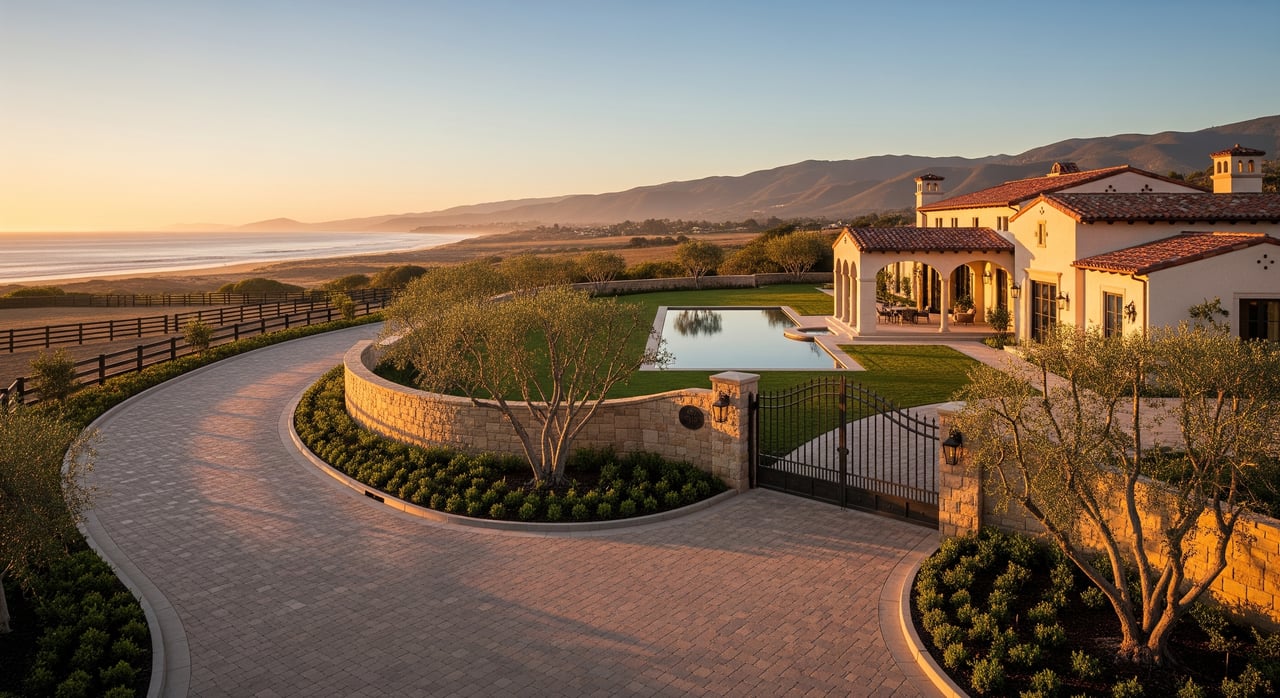
Dreaming of coastal privacy with bridle paths, ocean views, and quiet streets close to downtown Santa Barbara? If Hope Ranch is on your list, you’re likely weighing lifestyle perks against rules, fees, and logistics. This guide gives you a clear look at amenities, typical assessments, key documents, and the due diligence that helps you buy with confidence. Let’s dive in.
Hope Ranch at a glance
Hope Ranch is a mostly residential enclave on Santa Barbara’s western edge. You’ll find estate-size lots, equestrian culture, and a suburban feel that stays close to town. Many streets are private, and some parcels sit along coastal bluffs with beach access nearby.
Compared with Montecito, Hope Ranch feels more residential and equestrian-focused, with fewer commercial nodes. Compared with in-town Santa Barbara neighborhoods, you typically see larger lots and more private amenities like patrol and private-road upkeep.
Jurisdiction can vary by parcel. Some properties fall under Santa Barbara County, others within City of Santa Barbara limits. That difference can affect utilities, permits, and services, so confirm for each address.
How Hope Ranch is governed
Most Hope Ranch properties are subject to CC&Rs and one or more associations that oversee private roads, patrol, and shared amenities. Owners typically pay assessments and follow architectural guidelines for exterior changes.
What to verify
- Whether membership and assessments are mandatory for the parcel
- The association’s rules on exterior work, fencing, barns, grading, and landscaping
- Any rental or use restrictions, including short-term rentals
- Animal and equestrian rules, including max horses, barn setbacks, and manure management
- Enforcement tools, such as fines, liens, and special assessments
Documents to obtain
- CC&Rs, bylaws, rules and regulations
- Current budget, reserve study, and a breakdown of what fees cover
- Last 12–24 months of meeting minutes and financials
- Schedule of assessments and any special-assessment history
- Recorded easements and road or gate maintenance agreements
- Security patrol contract, if applicable
Amenities and services you can expect
Hope Ranch’s appeal comes from privacy, open space, and coastal access, supported by association-managed services.
Private roads and gates
Many streets are private and funded by owner assessments. Speed limits, driveway access, and guest/vendor policies may be set by the association. Some enclaves have controlled entry; confirm if the subject street is gated and how guest access works.
Beach and coastal access
Some properties have deeded beach access or permitted paths down coastal bluffs. California protects public access along the mean high tide line, while upland access can be private. If oceanfront purchase is your goal, confirm recorded access easements, any public access conditions, and whether Coastal Commission permits affect the parcel.
Equestrian trails and horse facilities
Hope Ranch is known for bridle paths and private barns. Trail maintenance and use rules can vary. Check CC&Rs for the number of horses allowed, barn placement and setbacks, and manure disposal standards.
Security and patrol
Associations commonly fund private patrols that supplement public law enforcement. Ask about patrol hours, response model, and who provides primary law enforcement for the parcel.
Maintenance and common services
Assessments may cover street sweeping, landscaping of common areas, tree trimming, irrigation, gate system maintenance, and, in some cases, coastal bluff work. Trash and recycling may be through county or city providers, or private contracts depending on the parcel.
Utilities and infrastructure
Service can differ block by block. Some properties connect to municipal water and sewer, others use private wells or septic. For larger or older parcels, verify septic permits and service history. Internet and cable options can vary, so confirm availability with providers.
Fees explained
Association structures fund much of what makes Hope Ranch feel private and well kept. Fee names and amounts differ by subdivision and scope of services.
Common fee types
- Regular association dues for private-road care, landscaping of common areas, patrol, administration, insurance on shared assets, and reserves
- Special assessments for capital projects such as road repaving, gate upgrades, or bluff stabilization
- Dedicated road-maintenance or security assessments
- Beach or shoreline path maintenance charges, when applicable
- Reserve contributions built into dues for future repairs
- Utility passthroughs for items like private trash, streetlights, or common-area irrigation
- Administrative fees for gate cards, late payments, or architectural review
How amounts vary and what to review
Associations that maintain roads, beaches, and active patrols generally have higher assessments. Ask for the fee schedule, current budget, reserve study, and a 5–10 year history of special assessments. Review meeting minutes to spot upcoming projects that could affect costs.
Buyer due diligence checklist
Use this checklist to streamline your review window and reduce surprises.
Key documents to request
- CC&Rs, bylaws, operating budget, reserve study
- Board meeting minutes for the last 12–24 months and financials
- Current assessment schedule and any pending special assessments
- Any association litigation disclosures
- Recorded easements for beach access, bridle paths, and utilities
- Title report, preliminary escrow instructions, and any coastal development permits or recorded conditions
- Parcel-specific permits: septic records or sewer confirmation, well logs, recent structural and pest reports, remodel permits, and grading history for bluff-top properties
Inspections and technical checks
- Full home inspection, plus roof, HVAC, and electrical specialists as needed
- Septic system inspection and permit compliance, if applicable
- Geotechnical review for oceanfront or bluff-top parcels, with erosion history
- Wildfire risk review using local maps and defensible-space standards, with insurance feedback
- Flood risk review using FEMA mapping and local zone designations
- ALTA/NSPS boundary survey to confirm easements and setbacks
- Utility capacity and connection checks for water, sewer, and power
Smart questions to ask
- Which association(s) govern the property, and are dues mandatory?
- What capital projects are planned, and have special assessments been used recently?
- How, exactly, is beach access handled for this property, including parking and pathways?
- What are the architectural review steps and timelines for additions, barns, pools, or grading?
- What is the patrol coverage and how does it coordinate with public law enforcement?
- Any past or pending litigation involving the association?
- What are the equestrian rules, including horse counts and barn setbacks?
Insurance, lending, and ongoing costs
Coastal and hillside settings can shape insurance availability and price. Bluff-top or oceanfront homes may need additional coastal or flood endorsements. Wildfire exposure can also affect premiums and carrier options.
Lenders typically review HOA financials and reserves, and may look closely at private-road obligations, unusual easements, and coastal or drainage conditions. Oceanfront purchases sometimes require geotechnical or structural reports.
Budget for more than taxes and dues. Large lots can carry higher utility and landscape costs. Septic service, well maintenance, and potential future special assessments are important to factor into long-term ownership.
Common concerns, clarified
- Public vs private beach access: Tidal areas are generally public to the mean high tide line, while upland paths and parking can be private. Verify recorded easements and any Coastal Commission conditions during escrow.
- Road and gate access: Many roads are private, with set rules for guests and vendors. Confirm access rights, emergency protocols, and who pays for maintenance.
- Equestrian operations: Rules are common on horse counts, barn placement, and manure management. Review CC&Rs before planning facilities.
- Coastal hazards: Bluff stability and historical erosion matter for oceanfront lots. Order a geotechnical review early in due diligence.
- Resale considerations: Understand rental rules and architectural controls, since they can shape your future buyer pool and plans for improvements.
How The Hall Team helps
You deserve a clear, local roadmap for buying in Hope Ranch. Our team combines decades of Santa Barbara experience with a hands-on approach that keeps your interests first. We help you gather full association documents, identify upcoming projects and potential assessments, and coordinate the right inspections, from septic to geotechnical.
If privacy, equestrian lifestyle, and coastal access are priorities, we will tailor your search to parcels and streets that fit your vision, utilities, and due-diligence comfort. When you are ready to make a move, we negotiate with clarity on contingencies, timelines, and the specific association rules that matter to you.
Ready to explore Hope Ranch with a trusted local advisor? Connect with The Hall Team to plan your next step.
FAQs
What makes Hope Ranch different from Montecito?
- Hope Ranch is more residential and equestrian-focused, with larger lots and private amenities like patrol and private-road maintenance, while Montecito has more defined commercial hubs.
Are Hope Ranch roads public or private?
- Many streets are private and funded through owner assessments, which can include rules for access, speed, and guest or vendor entry.
How does beach access work in Hope Ranch?
- Some parcels have recorded private access or permitted paths, while public access typically extends to the mean high tide line; verify easements and any Coastal Commission conditions.
What association fees should I expect as a buyer?
- Expect regular dues that fund roads, patrol, and common areas, plus possible special assessments for capital projects; amounts vary by association and scope of services.
What inspections are most important for oceanfront homes?
- A geotechnical assessment for bluff stability, standard home and roof inspections, and insurance reviews for coastal and wildfire exposure are key.