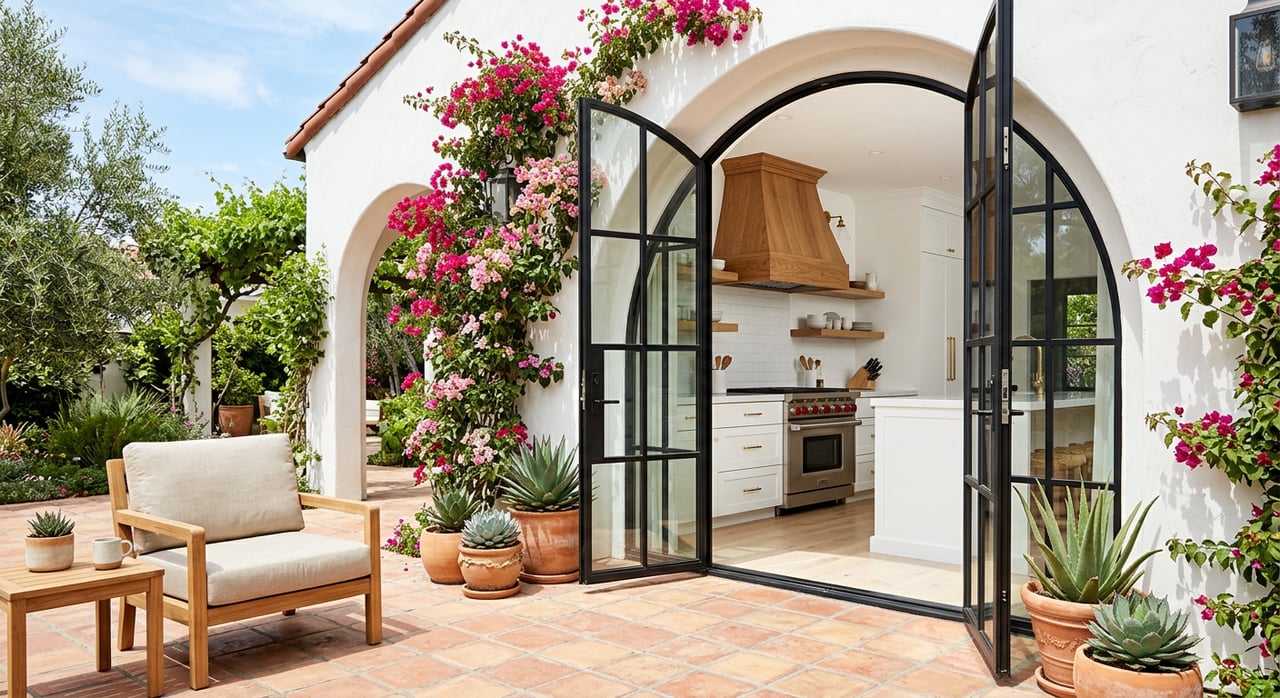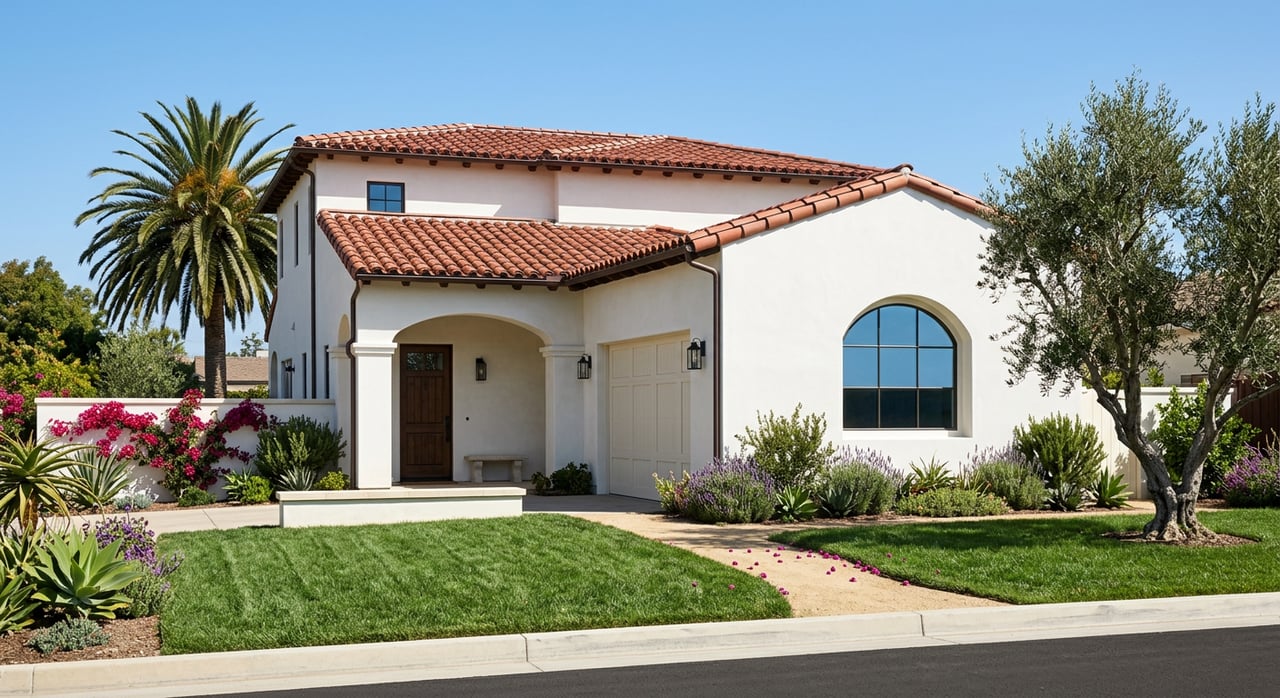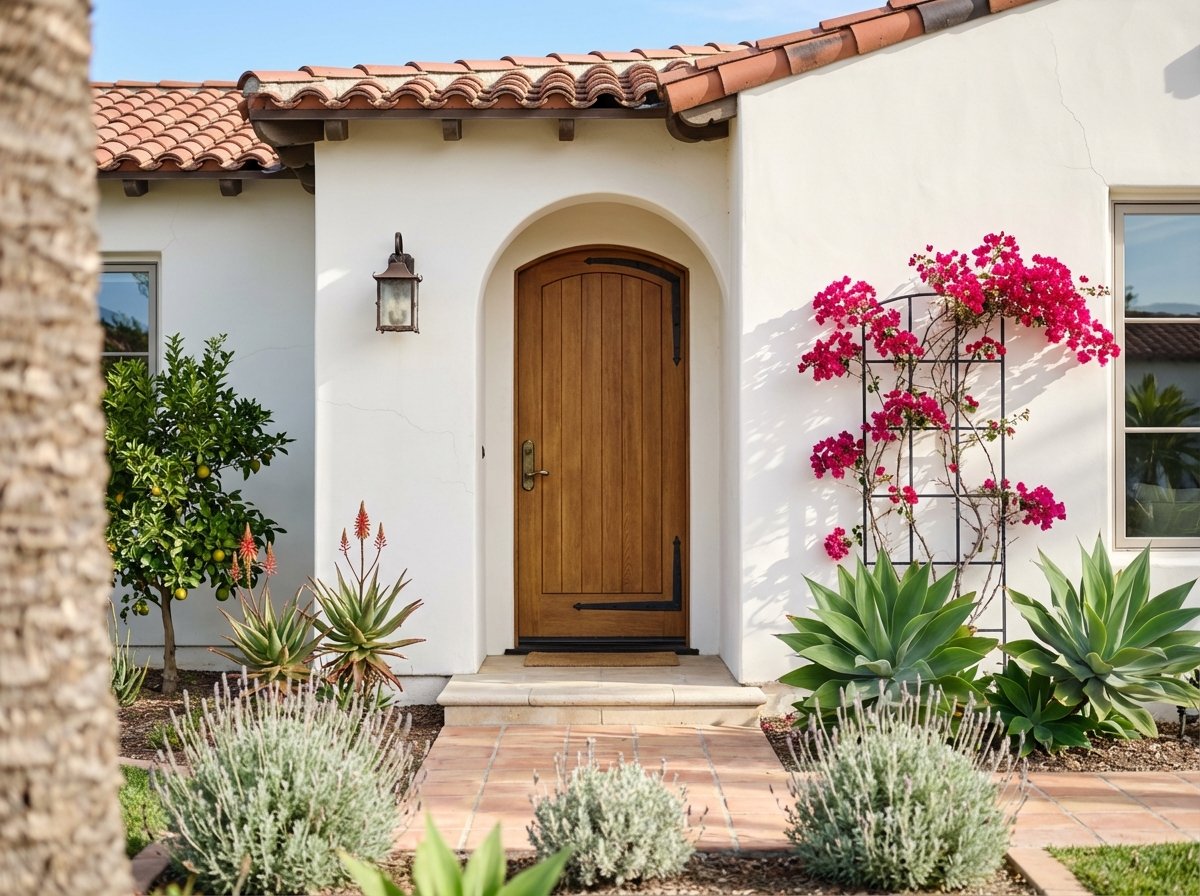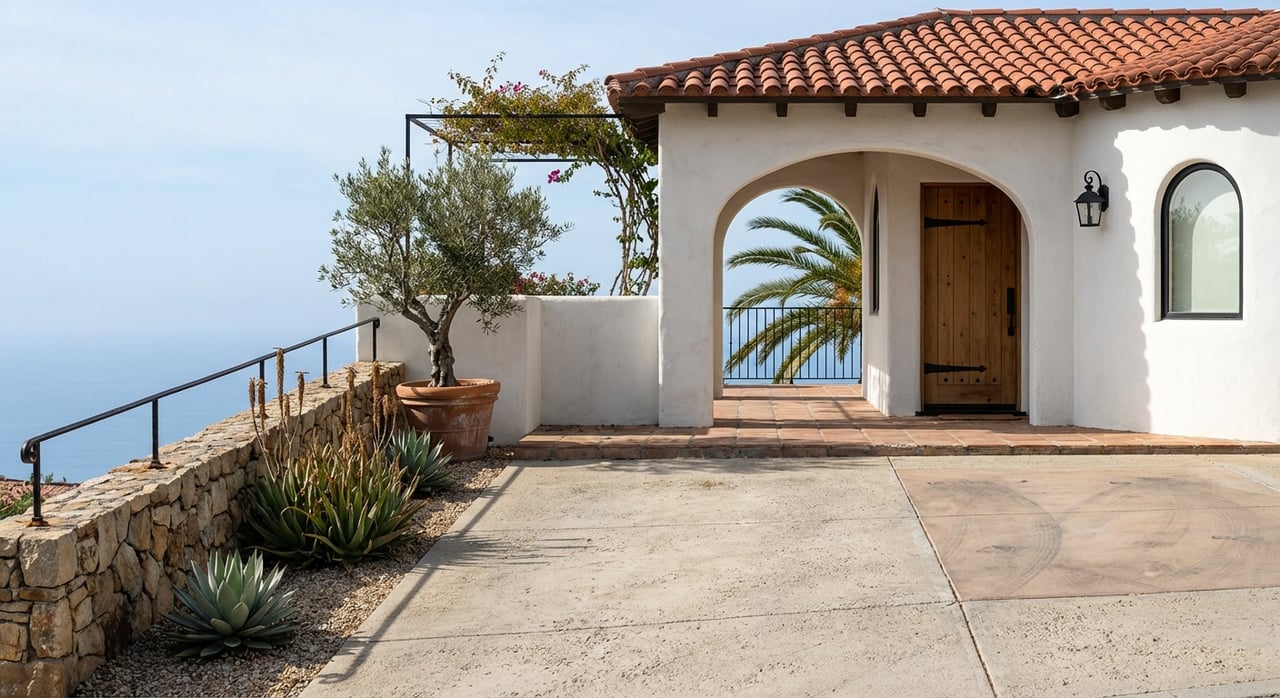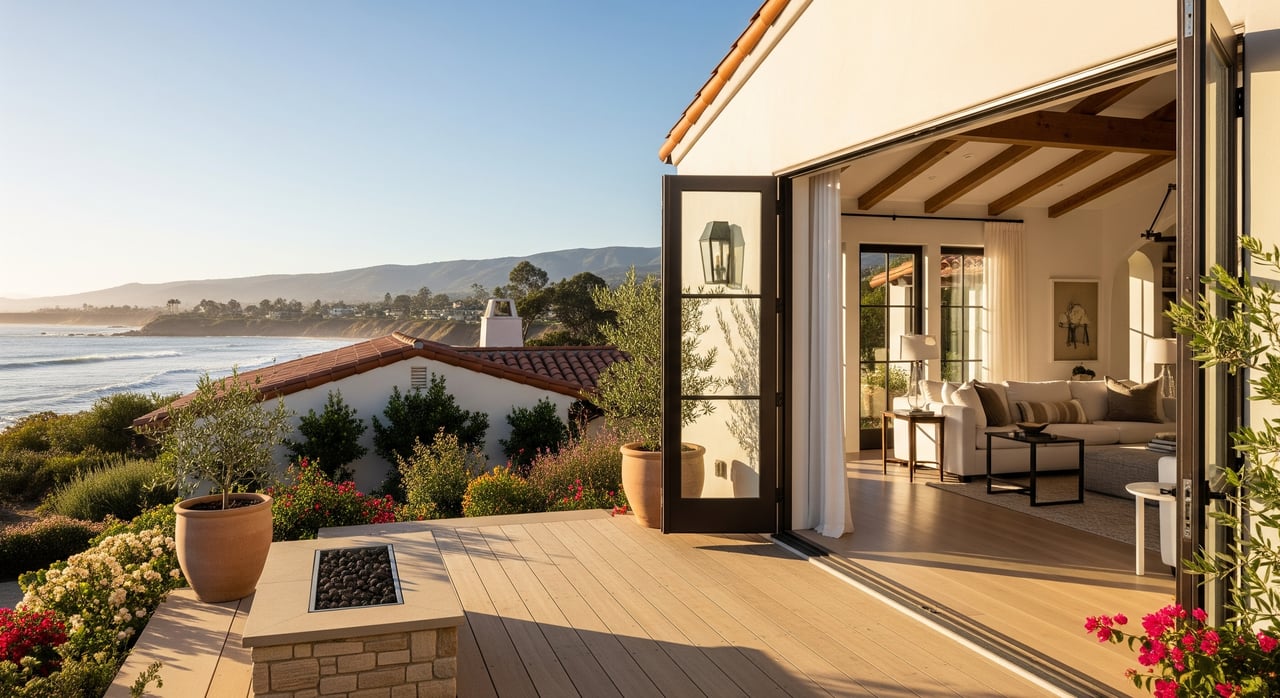
If you are drawn to a small beach town with big ocean views, Summerland might be the perfect fit. It is a compact coastal community, so the market feels different from larger nearby areas. You want to know how inventory moves, what price ranges are common, and what day-to-day life actually looks like before you make a move. This guide covers market basics, view premiums, permitting and hazard considerations, and how Summerland compares to Montecito and Carpinteria. Let’s dive in.
Where Summerland sits and how it trades
Summerland sits along U.S. Highway 101 between Montecito to the west and Carpinteria to the east. The town is primarily residential with a small commercial strip near Main Street and immediate beach access for many neighborhoods. Because the housing stock is limited, the market is thin, with fewer listings and fewer sales than nearby communities.
In a micro-market like this, a single high-end sale can swing the median price in a given month. Expect headline numbers to be more volatile than they are in larger markets. Buyers are a mix of locals seeking a beach lifestyle, second-home purchasers from Los Angeles and the Bay Area, and investors where short-term rentals are allowed. Cash and out-of-area buyers are common on higher-end and oceanfront properties.
Inventory patterns and seasonality
Inventory tends to stay low because the coastline and zoning limit new construction. Well-priced homes often sell quickly, and prices can look jumpy when the number of active listings is small. This is normal in a small coastal market.
Listing and showing activity usually rises in spring and early summer. Nicer weather brings more buyers to tour coastal homes, but motivated buyers transact year-round. Off-market and pocket listings play a larger role at the high end, so local agent networks matter.
Common property types include:
- Beach cottages and bungalows close to the sand, often older and remodeled.
- Mid-century and turn-of-the-century homes on narrow lots.
- Cliff-top and hillside homes with panoramic ocean views.
- Small condos or multi-unit parcels near Main Street and the beachfront.
If you are buying, be prepared to act quickly, set alerts, and lean on local relationships. Multiple-offer situations are possible for desirable cottages and ocean-view homes.
Price bands and view premiums
You will see three broad tiers in Summerland. The lower tier includes smaller cottages and condos that are inland or not oceanfront. The middle tier includes updated single-family homes a short walk to the beach with modest lots. The upper tier includes direct oceanfront, cliff-top, or newly built custom homes with expansive views.
Exact price cutoffs change with interest rates and inventory. Because Summerland is small, review several months of local MLS data rather than a single month’s median. Ask your agent to organize comps by property type and proximity to the water.
Ocean views and beachfront access typically add real value. In a constrained market like Summerland, view quality and orientation can be among the biggest price drivers. Unobstructed panoramic views and direct beach access often command the highest premiums. Partial or distant views carry smaller premiums.
A practical way to evaluate value is to compare recent sales by view category: no view, partial view, full ocean view, and oceanfront. Look at price per square foot and days on market within each bucket. This helps you calibrate offers and set expectations.
Coastal rules, hazards, and due diligence
The California Coastal Act and Santa Barbara County coastal permitting can apply to remodels, additions, and new construction. Substantial projects may require Coastal Development Permits or County review, which can extend timelines and add design constraints in sensitive areas. Some historic cottages can also carry preservation considerations.
Coastal hazards deserve careful attention. Bluff erosion, storm surge, sea-level rise, and tsunamis can affect oceanfront and bluff properties. Lenders often require geotechnical studies for cliff-edge improvements. Wildfire risk and insurer availability vary across the county, and insurance requirements can change by parcel.
Utilities and access are worth checking early. Some older parcels may be on septic, which can limit improvements and affect costs. Streets can be narrow with limited parking near the beach and Highway 101. These details can shape your day-to-day experience as well as your renovation plans.
Because comparable sales are limited, unusual properties can challenge appraisals. Order geotechnical, structural, and environmental inspections early. For sellers, thoughtful timing, staging, and highlighting view corridors or bluff setbacks can make a meaningful difference.
Daily life in Summerland
Summerland offers a small, village-like feel centered on a main commercial strip with cafes, galleries, and local services. Many neighborhoods are walkable to the beach. You have access to swimming, tide pools, coastal bike routes, and nearby surf spots like Rincon.
Commuting is straightforward to Carpinteria, Montecito, and Santa Barbara. Highway 101 provides regional access, though seasonal traffic can affect travel times. The vibe tends to feel modest and close-knit compared with some neighboring areas.
Summerland vs Montecito vs Carpinteria
Montecito is known for larger estates, higher price points, and privacy. Lots and zoning often support estate properties. Summerland is smaller and more village-oriented, and the median price is generally lower, though oceanfront homes can approach Montecito pricing.
Carpinteria is somewhat larger with more varied housing types and a broader commercial base. It often has more inventory in the mid-range. Summerland’s appeal is its compact scale, immediate beach access in some pockets, and boutique feel.
Tips for buyers in a micro-market
- Decide in advance where views rank on your must-have list. Pricing can jump sharply from partial view to full ocean view.
- Monitor new listings closely and set alerts for Summerland-specific criteria. Off-market opportunities are more common at the high end.
- Review comps by view category and proximity to the water. Ask for several months of data to smooth out volatility.
- Line up inspections and consult geotechnical and hazard resources early if you are near bluffs or low-lying areas.
- If you plan to finance, discuss appraisal risks for unique properties and identify backup plans.
Advice for Summerland sellers
- Focus your story on light, orientation, and view corridors. A clear presentation of outdoor spaces and bluff setbacks helps buyers understand value.
- Price to the most relevant comps and use longer look-back periods. One high-end sale can skew short-term medians.
- Prepare for due diligence questions up front. Geotechnical reports, permit history, and utility details can increase buyer confidence.
- Leverage targeted marketing and, where appropriate, pre-market outreach. In a thin market, early exposure to qualified buyers can accelerate results.
- Consider professional staging and high-quality visuals. Presentation pays off when inventory is tight and buyers value lifestyle imagery.
Work with a local team you trust
Summerland rewards preparation and local knowledge. You benefit from an agent team that knows the micro-market, tracks off-market inventory, and understands coastal permitting and hazard considerations. With boutique attention and brokerage-level marketing, you can move confidently, whether you are buying a beach cottage or selling a view home.
If you are weighing a move in or out of Summerland, reach out to The Hall Team for a local market consultation. Our team pairs deep neighborhood expertise with Compass-powered marketing and Concierge services to position your purchase or sale for success.
FAQs
Is Summerland generally more affordable than Montecito?
- At the median level, Summerland tends to be lower than Montecito, but oceanfront and bluff properties in Summerland can approach Montecito pricing. Compare by property type, not by town alone.
How much do ocean views add to value in Summerland?
- View premiums exist and can be significant, but the exact amount varies by view quality, orientation, and scarcity. Use recent sold comps grouped by view category to quantify for a specific property.
Are there special permits for remodels and additions near the coast?
- Substantial work may require Coastal Development Permits or County review, especially near bluffs and within coastal development zones. Plan for longer timelines and design constraints.
What hazards should I evaluate for a bluff or beachfront home?
- Consider bluff erosion, storm surge, sea-level rise, and tsunami exposure, along with wildfire risk and insurance availability. Geotechnical evaluations are common for cliff-edge properties.
How can I find inventory in such a small market?
- Combine MLS alerts with a local agent’s network for pocket and off-market listings. Be ready to act quickly on well-priced cottages and ocean-view homes.
What is the best season to list a home in Summerland?
- Activity often increases in spring and early summer, but serious buyers transact year-round. Strong staging, pricing, and pre-market preparation matter more than the month.
Will financing and appraisal be harder for unique properties?
- Yes, unusual homes can face appraisal challenges because comparable sales are limited. Prepare by organizing detailed comps and early inspections to support valuation.