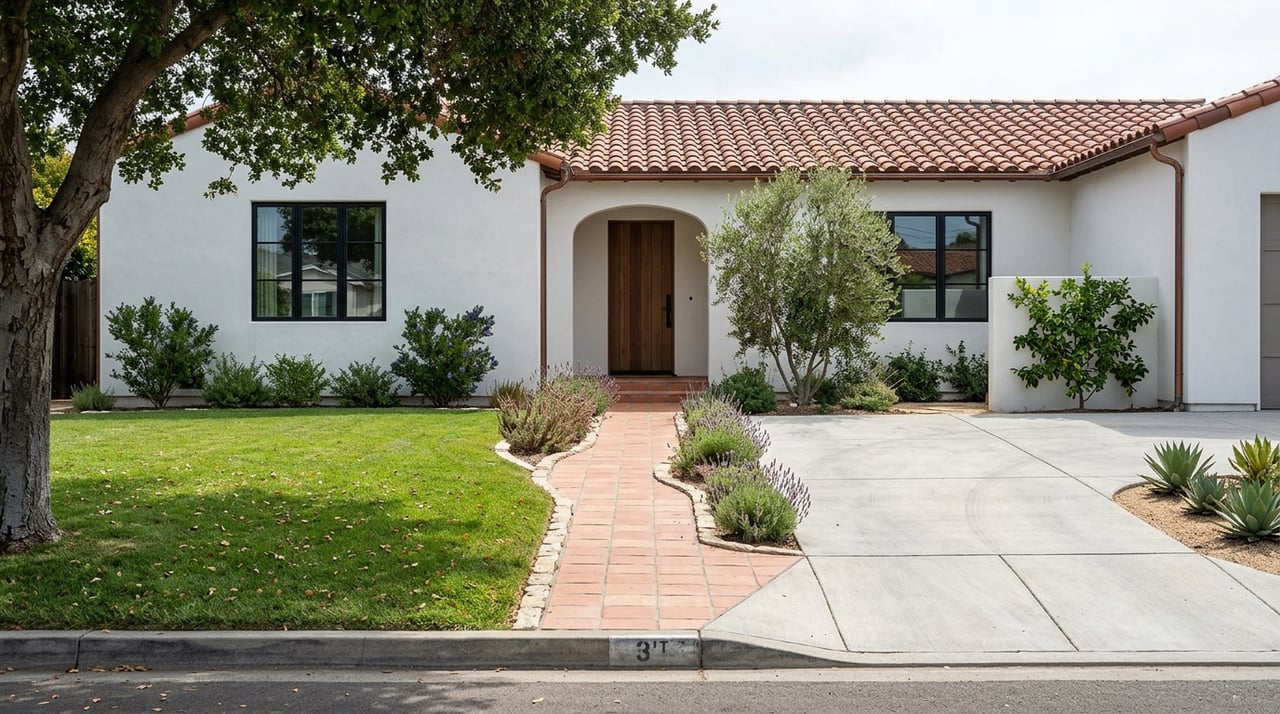
If you are trying to decide between beachside and inland Carpinteria, you are not alone. Many buyers love the idea of living close to the sand, but they also want to understand how street layout, parking, housing style, and day-to-day rhythm can shape daily life. This guide will help you compare the two in a practical way so you can focus on the part of Carpinteria that fits your goals best. Let’s dive in.
How Carpinteria Defines These Areas
Carpinteria’s own community planning documents provide the clearest framework for this comparison. The Beach Neighborhood is a 49.1-acre coastal area bounded by the railroad tracks, Linden Avenue and Carpinteria State Beach Park, Carpinteria City Beach, and the Carpinteria Salt Marsh Reserve.
The Downtown and Old Town District centers on Linden Avenue and Carpinteria Avenue and functions as the city’s main retail and cultural core. Inland, Subarea 3 includes the Northcentral and Northwest Neighborhoods south of U.S. 101, while Subarea 5 includes Concha Loma, located between Carpinteria Creek, Carpinteria Avenue, the former oil and gas plant, and the railroad, Tar Pits, and State Beach edge.
In simple terms, beachside Carpinteria is more directly tied to the coast and Linden Avenue. Inland Carpinteria is generally more residential in pattern and feel, even though it remains part of the same coastal community.
Beachside Carpinteria at a Glance
The Beach Neighborhood is shaped by proximity to Carpinteria City Beach, Linden Avenue, and visitor activity near the coast. The city describes this area as a mix of single-family homes, apartment and condominium buildings, and the Silver Sands Mobile Home Park.
Planning guidance for the beach area emphasizes a one- to two-story scale, pedestrian-oriented frontages, and bungalow and Craftsman character. The overall effect is a more compact, street-facing environment where homes and buildings are closely tied to the public realm.
For many buyers, this is the appeal. You are closer to the beach, closer to Linden Avenue, and more connected to the classic coastal experience that many people picture when they think of Carpinteria.
Inland Carpinteria at a Glance
Inland Carpinteria covers a different type of residential setting. In Subarea 3, the city describes the neighborhood pattern as suburban and typical of the 1950s through the 1980s, with cul-de-sacs, circular streets, and local connectors.
The design language here focuses on compatibility, privacy, solar access, and keeping garages from dominating the front of the house. That points to a more traditional residential layout, with a stronger emphasis on yard space and neighborhood frontage than on walk-to-beach density.
Concha Loma adds another variation. The city describes it as primarily single-family homes with limited commercial uses along Carpinteria Avenue, while Carpinteria Park Estates and Carpinteria Park reflect a 1950s suburban subdivision pattern with ranch and cottage homes, open front yards, sidewalks, and street trees.
Parts of west-side Concha Loma have a more eclectic, semi-rural feel. There, the city notes curving streets, fewer sidewalks, varying setbacks, and some parking and pedestrian access constraints.
Walkability and Beach Access
One of the biggest differences comes down to how you want to move through your day. Linden Avenue is the key connector, with Carpinteria City Beach at its foot and the downtown core running along Linden as the city’s main street.
If you want the strongest walk-to-beach and walk-to-downtown lifestyle, beachside Carpinteria stands out. You are closer to the shoreline, near the city’s most visitor-oriented corridor, and more likely to enjoy errands or outings on foot.
Inland neighborhoods offer a different rhythm. Subarea 3 generally reads more as a drive-or-bike-to-the-coast setting, while Concha Loma remains coastal but is framed in the city’s planning language as more residential than visitor-serving.
Neither option is better for everyone. It really depends on whether your priority is immediate coastal access or a more removed neighborhood setting.
Housing Style and Street Pattern
Housing stock across Carpinteria is mixed citywide, which helps explain why these neighborhoods feel so different. The 2020 ACS data used in the city’s housing element shows 35.5% single-detached homes, 8.9% single-attached homes, 13.0% in buildings with 20 or more units, and 13.6% mobile homes.
Beachside areas tend to reflect that mix more visibly. You can find single-family homes alongside condos, apartments, and mobile home communities, all within a compact coastal setting.
Inland neighborhoods lean more heavily toward single-family residential patterns. Streets, front yards, setbacks, and circulation all support a quieter suburban rhythm, especially in areas developed in the mid-to-late 20th century.
For buyers, that can affect everything from curb appeal preferences to privacy expectations. For sellers, it can influence how a property is positioned, photographed, and marketed to the right audience.
Parking and Seasonal Activity
This is one of the most practical differences between the two areas. In the Downtown and Beach area, the city actively manages public parking with time limits, marked-space requirements, and restrictions on overnight camping in vehicles.
City park lots are open only from sunrise to sunset. For beachside residents, this can mean more curb-use pressure and more seasonal turnover, especially during warmer months.
Summer activity reinforces that pattern. The visitor center in Linden Plaza is staffed on weekends from Memorial Day through Labor Day, and the city’s beach program increases service during summer, including weekend lifeguard service beginning Memorial Day weekend and daily summer coverage through mid-to-late August before returning to weekends through Labor Day.
Inland neighborhoods generally feel less visitor-oriented day to day. The city’s planning guidance for Subarea 3 and Concha Loma emphasizes privacy, neighborhood compatibility, on-street parking needs, pedestrian access, and residential frontage, which supports a more routine residential feel.
Long-Term Ownership Considerations
If you are thinking beyond the first year or two, coastal resilience deserves attention. The city’s Living Shoreline Project is intended to reduce impacts from coastal erosion, coastal flooding, and sea-level rise along Carpinteria City Beach while protecting landward resources and critical infrastructure in the beach neighborhood and areas north of the beach, including downtown.
The city’s draft community design policies also call for adaptive design elements for new development and major redevelopment to support sea-level-rise resilience. That does not mean beachside ownership is a poor choice. It means buyers should weigh coastal access alongside long-term planning conditions that are more directly tied to shoreline areas.
Inland neighborhoods are less directly connected to this specific shoreline work. For some buyers, that may support a simpler ownership outlook centered more on residential setting and less on coastal-edge considerations.
Which Setting Fits Your Lifestyle?
If you picture mornings near the coast, easy access to Linden Avenue, and a stronger connection to beach activity, the beachside area may feel like the right match. Its appeal is rooted in proximity, walkability, and a distinctly coastal identity.
If you prefer a more suburban street pattern, stronger privacy cues, and a quieter residential routine, inland neighborhoods may be a better fit. In many cases, they offer a little more separation from seasonal visitor pressure while still keeping you in Carpinteria.
A helpful way to think about it is this:
- Beachside Carpinteria often appeals to buyers who value walkability, beach access, and an active coastal setting.
- Inland Carpinteria often appeals to buyers who value a more residential rhythm, neighborhood privacy, and typically more manageable parking conditions.
Why Local Guidance Matters
On paper, the difference between beachside and inland Carpinteria can seem straightforward. In practice, the right fit often depends on how you live, what type of property you want, and how you weigh tradeoffs like walkability, privacy, parking, and long-term planning context.
That is where hyperlocal guidance becomes valuable. A neighborhood may look close on a map, but its feel can shift meaningfully from block to block, especially in a small coastal market like Carpinteria.
If you are weighing beachside versus inland Carpinteria, working with a local team can help you compare not just homes, but the daily experience that comes with them. For personalized guidance on buying or selling in Carpinteria, connect with The Hall Team.
FAQs
What is the Beach Neighborhood in Carpinteria?
- The Beach Neighborhood is a 49.1-acre coastal subarea defined by the city as being bounded by the railroad tracks, Linden Avenue and Carpinteria State Beach Park, Carpinteria City Beach, and the Carpinteria Salt Marsh Reserve.
What areas count as inland Carpinteria neighborhoods?
- Inland Carpinteria generally refers to residential areas such as Subarea 3, which includes the Northcentral and Northwest Neighborhoods, and Subarea 5, which includes Concha Loma.
How does beach access differ between beachside and inland Carpinteria?
- Beachside Carpinteria offers the strongest walk-to-beach access, especially near Linden Avenue, while inland neighborhoods are generally better described as drive-or-bike-to-the-coast locations.
What types of homes are common in beachside Carpinteria?
- The city describes the beach area as having a mix of single-family homes, apartment and condominium buildings, and the Silver Sands Mobile Home Park.
What is the typical feel of inland Carpinteria neighborhoods?
- Inland areas such as Subarea 3 are described by the city as primarily single-family neighborhoods with a suburban pattern, while parts of Concha Loma include both standard suburban blocks and more eclectic semi-rural streets.
Does parking feel different in beachside Carpinteria?
- Yes. The city manages parking more closely in the Downtown and Beach area, and beachside residents may experience more curb-use pressure and visitor turnover, especially during the summer season.
Are there long-term coastal considerations for beachside Carpinteria homes?
- Yes. The city’s Living Shoreline Project and adaptive design policies reflect planning efforts related to coastal erosion, flooding, and sea-level-rise resilience in shoreline and nearby areas.