Torn between a lock-and-leave condo and a charming bungalow near State Street? You’re not alone. Downtown Santa Barbara offers two very different paths to the same dream: a walkable, coastal lifestyle in the heart of the city. In this guide, you’ll compare costs, rules, parking, insurance, hazards, and resale so you can choose with confidence. Let’s dive in.
What your dollars buy downtown
When you look at prices, be sure you’re comparing the right geography and time period. On the broader South Coast, the January 2026 MLS summary reported a median sale price of about $2.45 million for single-family houses and PUDs and about $982,500 for condos. That is a big gap, and it reflects the region overall, not just downtown. See the January 2026 Santa Barbara South Coast snapshot.
Inside the 93101 core, a recent Downtown Santa Barbara indicator put the neighborhood median around $1.8 million in February 2026. That higher figure makes sense because downtown for-sale options often include premium townhomes and small single-family homes alongside condos. The takeaway: downtown bungalows and townhomes can push the median above the region’s condo median, while many condos still offer a lower entry price.
If you’re weighing a specific property, look at 6 to 12 months of comps within a block or two and focus on the same product type. Downtown micro-markets vary by street and building, so block-level comps are your best guide.
Costs and upkeep: condos vs bungalows
Monthly dues vs direct maintenance
Condos and townhomes often carry monthly HOA dues that can range widely downtown, commonly in the $600 to $1,000+ per month range depending on amenities, building insurance structure, reserves, and management. In exchange, your exterior maintenance is largely handled for you, and some utilities or insurance coverage may be included. What to verify: the HOA budget, current reserve study, master insurance declarations, recent meeting minutes, and any pending or recent special assessments.
Bungalows usually avoid HOA dues, which keeps your monthly payment simpler. You will, however, budget for roof, exterior, yard, and systems directly. In the older downtown stock, expect to assess near-term items like electrical, plumbing, seismic bracing, and termite repair during inspections. What to verify: seller disclosures, inspection reports, and the age/condition of major systems so you can plan realistic maintenance timelines.
Rules, HOAs, and financing
How HOA rules work
Most condo associations in California operate under the Davis–Stirling framework. That means your rights and the HOA’s powers are defined in state law and in the community’s CC&Rs, bylaws, and rules. Before you commit, review the governing documents so you understand pet policies, rental rules, architectural standards, and enforcement. For a helpful overview of HOA governance in California, see the California DOJ’s Davis–Stirling consumer page.
Lending and resale for condos
Condo financing often depends on the health and eligibility of the entire project, not just the unit. Lenders and agencies look at reserves, insurance, litigation, owner-occupancy ratios, and other factors. If a project has financial stress or high rental percentages, it can shrink the buyer pool and affect resale. Ask the listing agent for the most recent financials, insurance certificate, and meeting minutes, and confirm current lender eligibility. Learn more about project-level reviews in Fannie Mae’s condo eligibility guidance.
Parking and mobility realities
Parking is a real-world factor downtown. Some buildings include assigned garage spaces or tandems, while others rely on nearby garages or street parking. Several downtown blocks are covered by the City’s Residential Permit Parking program. If you expect regular guests, read visitor rules closely so you understand how many permits you’ll have. For current procedures and boundaries, review the City’s Residential Permit Parking program.
If you plan to be car-light, focus on blocks within easy reach of State Street, transit, and bike corridors. A central location can reduce daily car use, but always confirm the exact parking assignment and storage for bikes or surf gear before you write an offer.
Privacy, noise, and layouts
Condos and attached townhomes share walls and sometimes floors or ceilings. Sound transfer varies by construction, and building age matters. Ask about assembly details, any soundproofing upgrades, and the layout relative to neighbors. Detached bungalows typically offer more acoustic separation, a private yard, and separate entries. If quiet is a high priority, factor building design and the surrounding street activity into your tours.
Insurance and local hazards
Policy types and what to check
Condo owners usually carry an HO-6 policy that covers interior finishes and contents. The HOA’s master policy covers the exterior and common areas to either bare-walls or all-in standards. Single-family owners carry a broader HO-3 (or similar) policy that covers the entire structure. Always confirm what the HOA’s master policy includes and the master deductible, since owners can be assessed for deductibles or shortfalls. Learn the basics in this condo insurance explainer.
Fire, flood, and sea-level mapping
Local hazard planning is active and can affect insurance availability and retrofit needs. In 2025, fire agencies updated local Fire Hazard Severity Zone maps, and downtown-adjacent hillsides carry higher wildfire exposure. Start with the County’s update overview here: Local Responsibility Area wildfire hazard map updates. Then check each property’s FEMA flood status and review the City’s sea-level rise materials if you are near low-lying areas. Your insurance agent can translate these findings into likely premiums.
Resale and buyer-pool differences
Detached bungalows usually pull a broader buyer pool because of land value, privacy, and potential for outdoor space or future improvements. That broader appeal can support price resilience over time. Condos often shine on price of entry and reduced exterior maintenance, which expands affordability for many buyers. That said, a condo’s marketability can hinge on project health and lending approvals. Ask your agent for hyperlocal comps by property type and keep an eye on days on market and sale-to-list ratios. For condos, FHA and Fannie Mae project approvals are practical liquidity checkpoints. See Fannie Mae’s guidance above for the key criteria.
Historic and design review
Many blocks close to downtown fall within special design or historic review areas. If you are eyeing a bungalow in the Lower Riviera or a home in the Bungalow District, plan for additional review steps on exterior changes, which can add time and cost to a renovation. Start with the City’s Lower Riviera Special Design District Guidelines and ask your architect or contractor about typical approval timelines.
Zoning, coastal rules, and limited new supply
Downtown Santa Barbara’s form is shaped by strict design standards and coastal oversight. Height limits, façade treatments, and public-facing design requirements make large new supply difficult. That scarcity helps explain long-run price resilience, while also increasing the value of quality existing housing. For context on design standards, review the City’s general site and design rules.
Short-term rentals: know the status
Short-term rental rules have been evolving and were an active policy topic in early 2026. Enforcement and permitting vary by location, coastal zone status, and compliance with transient occupancy tax. If rental income is part of your plan, confirm the current standing for the exact address before you buy. Check the City’s updates on the Short-Term Rental Ordinance page.
Your 6-point buyer sidekick
Use this quick list before you write an offer, whether you lean condo or bungalow:
- HOA health check: Budget, latest reserve study, financials for the last two years, and recent meeting minutes. Look for special assessments or litigation. See the California DOJ HOA overview.
- Insurance clarity: Master policy type, limits, and deductible; know what your HO-6 or HO-3 should cover. Use this condo policy explainer.
- Parking specifics: Assigned space numbers, tandem rules, EV charging, guest permits, and any Residential Permit Parking constraints via the City program.
- Hazard profile: Check wildfire exposure with the County’s 2025 update and ask your insurer about premiums. Start here: FHSZ map updates.
- Condo finance filter: Confirm project eligibility and owner-occupancy ratios to reduce loan and resale risk. See Fannie Mae’s project criteria.
- Property taxes: Review assessed value, exemptions, and special assessments through the Santa Barbara County Assessor.
Which fits your lifestyle today
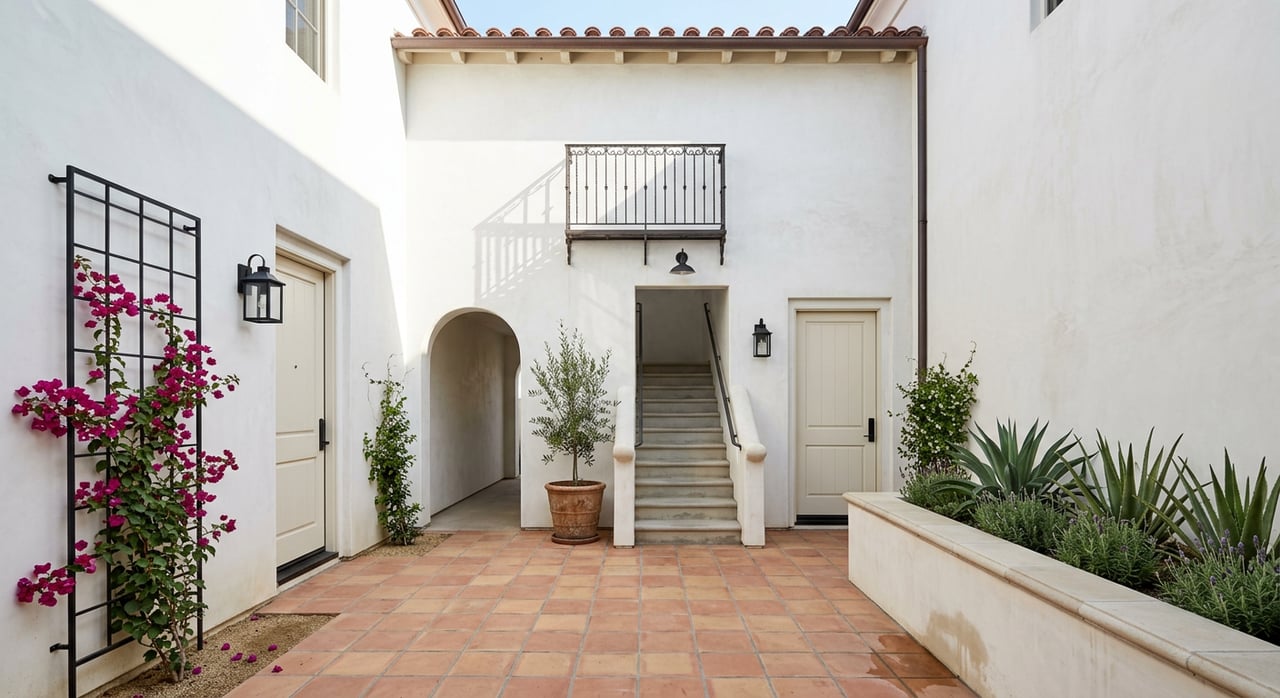
Choose a downtown condo or townhome if you want a lower-maintenance lifestyle, a potentially lower price of entry, and a walkable base with professional HOA management. Confirm dues and what they cover so your monthly budget is accurate.
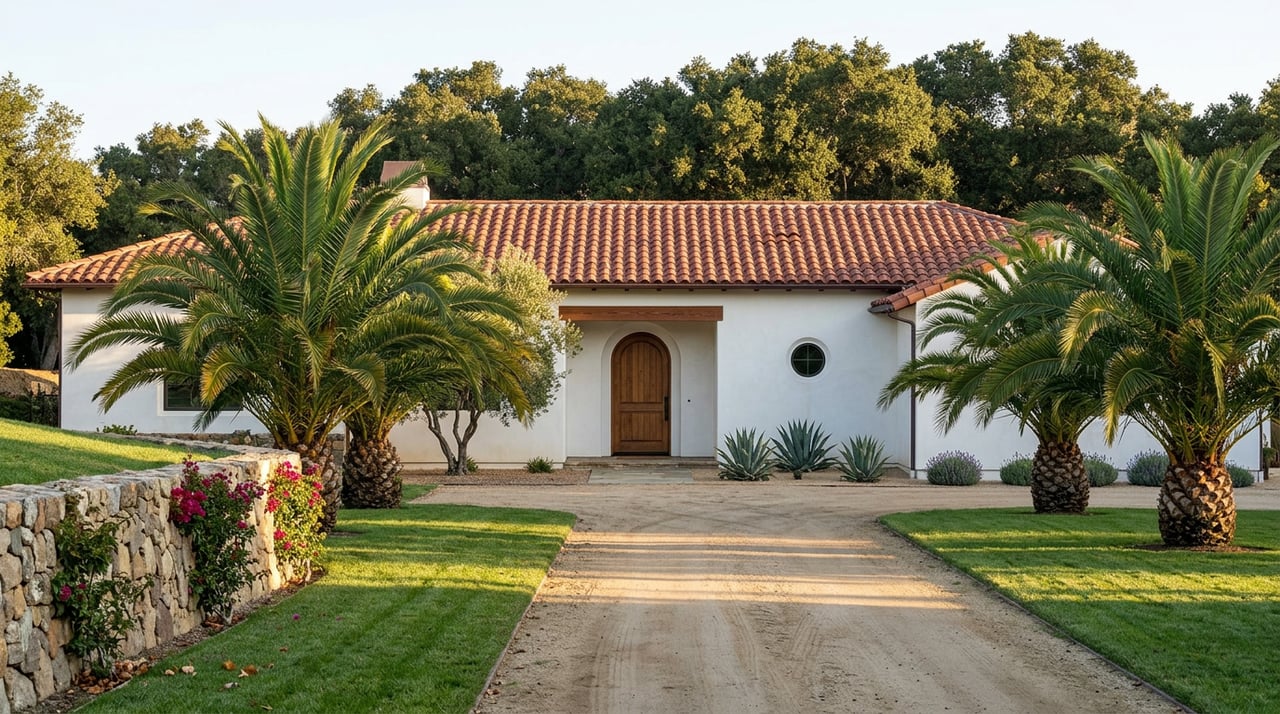
Choose a small bungalow if you prioritize privacy, a yard or outdoor area, and the flexibility that comes with land ownership. Plan for direct maintenance and, if applicable, extra steps for design review. Your resale audience is often broader, which can help with long-term value.
Talk with a local advisor
If you are debating between a condo and a bungalow downtown, a quick conversation with a hyperlocal team can save you time and money. We live this market every day, from parking questions to HOA reserves to historic review timelines. When you are ready, reach out to The Hall Team for a local market consultation.
FAQs
What are current Santa Barbara medians for houses and condos?
- As of January 2026 on the South Coast, houses and PUDs had a median sale price near $2.45 million and condos near $982,500, per SBAOR’s monthly summary.
How do downtown condo HOA rules affect daily life?
- HOA CC&Rs and rules set standards for pets, rentals, alterations, and common areas, and they are governed by California’s Davis–Stirling framework; review them closely using the state’s HOA overview.
How do condo project approvals affect my mortgage?
- Lenders screen the entire project for reserves, insurance, litigation, and owner-occupancy, so a non-eligible project can limit loan options and resale; see Fannie Mae’s project eligibility guidance.
What parking issues should I check near State Street?
- Confirm your assigned space, EV charging, and guest parking, and verify whether your block falls under the City’s Residential Permit Parking program via the City parking page.
Are downtown bungalows in historic or special design areas?
- Some are, especially near the Lower Riviera and Bungalow District, which adds design review to exterior changes; start with the Lower Riviera Special Design District Guidelines.
What insurance differences should I expect between a condo and a bungalow?
- Condos typically use an HO-6 policy for interiors with an HOA master policy for exteriors, while bungalows use an HO-3 covering the full structure; review coverages and deductibles using this condo insurance explainer.