If you picture Santa Barbara living as ocean views, winding streets, and homes set above the city, the Riviera is probably what comes to mind. This hillside neighborhood has a distinct identity, and if you are considering a move here, it helps to understand both the beauty and the day-to-day realities. In this guide, you will get a clear look at what defines the Riviera, how life feels on the hillsides, and what practical factors matter most before you buy or sell here. Let’s dive in.
What Defines the Riviera
The Riviera sits above downtown Santa Barbara in one of the city’s hillside areas, with broad views of the city, ocean, and islands. City planning materials place it between Mission Ridge, Alameda Padre Serra, Sycamore Canyon Road, and Mountain Drive, within the Hillside Low Density Neighborhoods planning area.
That elevated setting shapes nearly everything about the neighborhood. You are not just getting a Santa Barbara address. You are getting topography, outlook, and a strong sense of place that feels different from the flatter parts of town.
A Neighborhood Shaped by History
The Riviera’s development is tied to the 1909 Normal School site on Alameda Padre Serra. According to city historic district materials, that campus helped draw development to what had been a more barren hillside and played a role in the area’s early infrastructure and the broader idea of the American Riviera.
That history still shows up in the neighborhood today. You can see it in older street patterns, historic features, and the established character that gives the area a layered, long-settled feel.
Hillsides, Stone, and Paseos
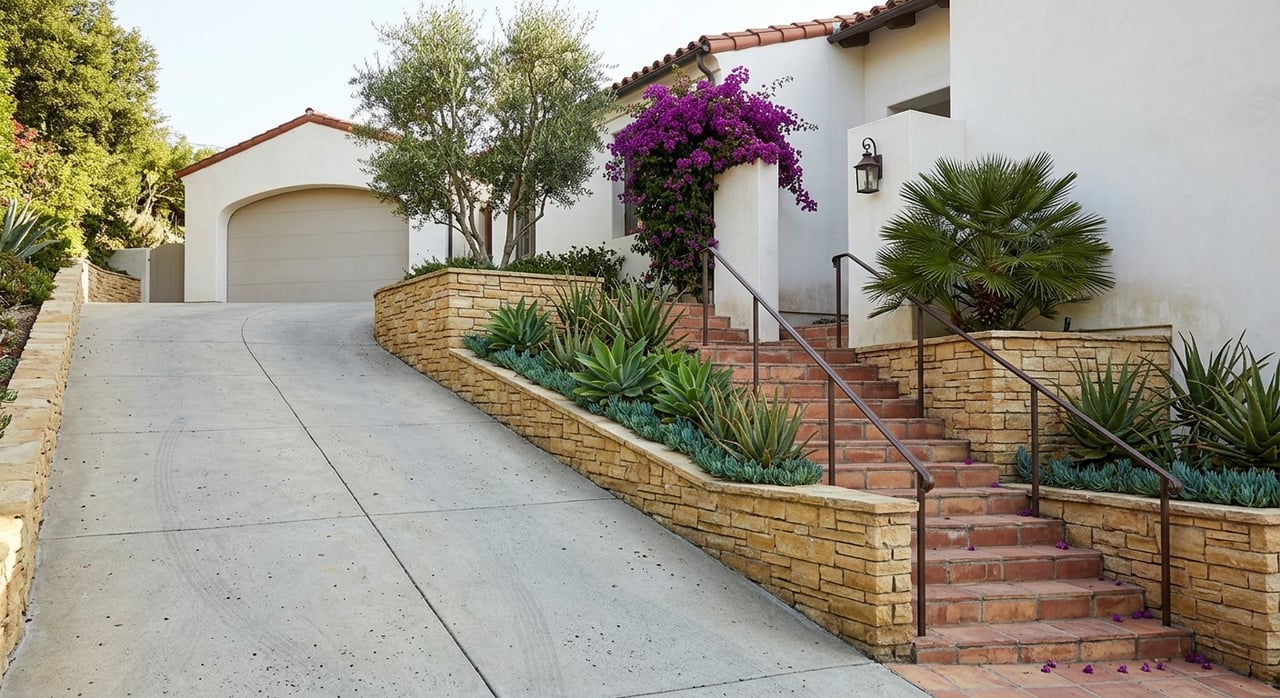
The landscape is a major part of the Riviera’s identity. City historic-resource surveys describe the Lower Riviera with steep slopes, sandstone outcroppings, walls, and walkways, while city planning documents note that the neighborhood’s paseos are unique and should be maintained.
For you as a buyer or homeowner, that means the setting is not accidental. The hillside terrain, stone elements, and pedestrian pathways are part of what people value here, and they contribute to the neighborhood’s visual appeal and charm.
What Daily Life Feels Like
Living on the Riviera often means balancing beauty with practicality. The views and privacy can be exceptional, but daily routines may take a little more planning than they would in a flatter neighborhood.
This is especially true when it comes to walking, driving, and parking. The hills are part of the appeal, but they also shape how you move through the neighborhood.
Walking the Riviera
The pedestrian experience is mixed. City planning materials note a lack of sidewalks in parts of the Riviera, especially along Alameda Padre Serra, and they also point out that the historic hillside setting can make improvements more difficult.
Some quieter streets have lower traffic volumes, which can make walking more manageable. Still, if you are expecting an easy, flat, sidewalk-lined grid, the Riviera is usually not that. It is smart to think about your daily routes ahead of time, especially if walkability is high on your list.
Parking and Street Access
Parking is one of the clearest tradeoffs of Riviera living. Lower Riviera design guidelines reflect the fact that many homes were built before the automobile became central to daily life, and the city encourages parking solutions that remain visually unobtrusive.
That shows up in features like narrow driveways, one-car detached garages, and rear-lot garage placement. On some narrow historic streets, the city also restricts oversized-vehicle street parking to help protect visibility and traffic flow.
It is also worth noting that Santa Barbara’s current Residential Permit Parking Program lists areas such as West Beach, the Mesa, Las Positas/Modoc, and downtown, but not the Riviera. So if you are buying here, do not assume a neighborhood-wide permit parking setup works the same way it does in other parts of the city.
Street Maintenance on a Hillside
Even routine services reflect the neighborhood’s terrain. The city says some blocks may be left out of regular street sweeping if they are too narrow or steep for the sweeper truck.
That may sound like a small detail, but it says a lot about daily life here. On the Riviera, the hillside setting is not just scenic. It directly affects how streets function and how neighborhood services are delivered.
Riviera Homes and Architecture
The Riviera is known for strong architectural character, especially in the Lower Riviera. City guidelines describe a housing mix that generally dates from the late 19th century through the late 1920s.
For buyers, this often means homes with personality, established streetscapes, and details that feel specific to Santa Barbara rather than interchangeable. For sellers, that character can be a meaningful part of how a property is positioned in the market.
Craftsman and Early Homes
In the Lower Riviera, the city describes many homes as modest one- to one-and-a-half-story bungalows in the Craftsman tradition. Common features include street-facing porches, narrow side driveways, detached one-car garages, sandstone curbs, and sandstone retaining walls.
Historic surveys also reference Victorian and early Craftsman bungalows in the area. Together, these details create a neighborhood feel that is more textured and historic than what you may find in newer residential areas.
Spanish Colonial Revival Influence
Spanish Colonial Revival architecture is also part of the broader Riviera story. City design guidance notes that Santa Barbara includes examples of this style throughout the city, including larger homes and estates on the Riviera.
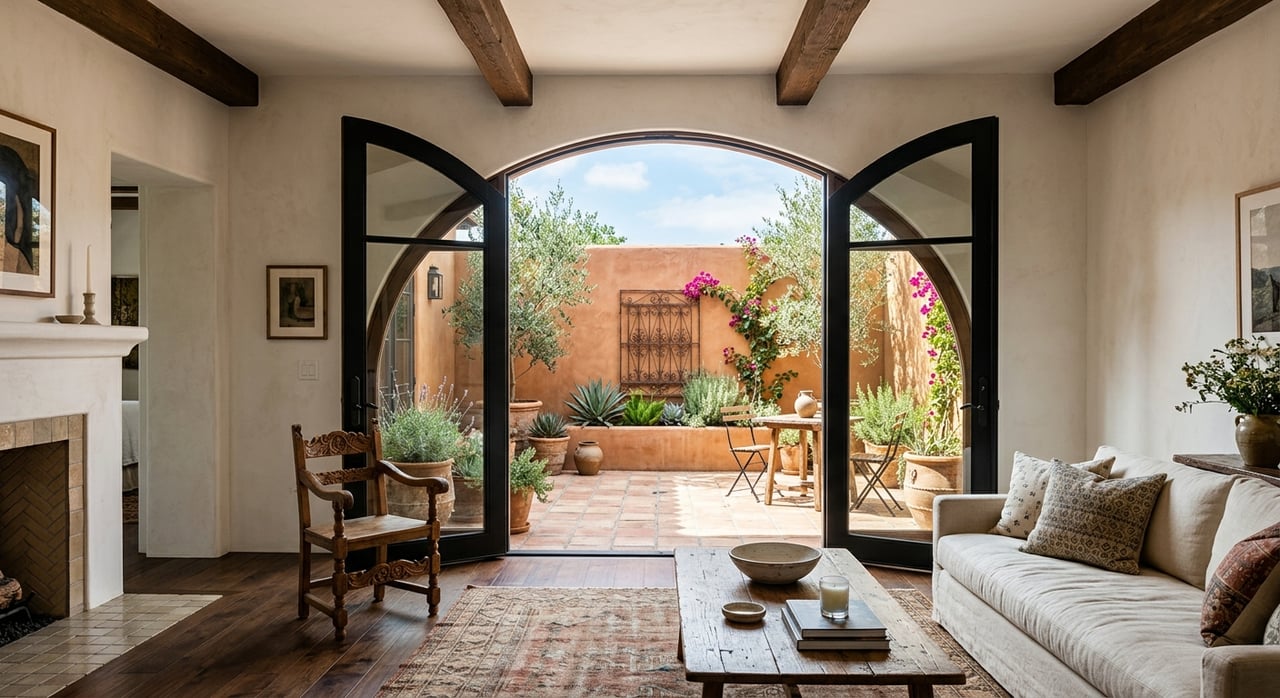
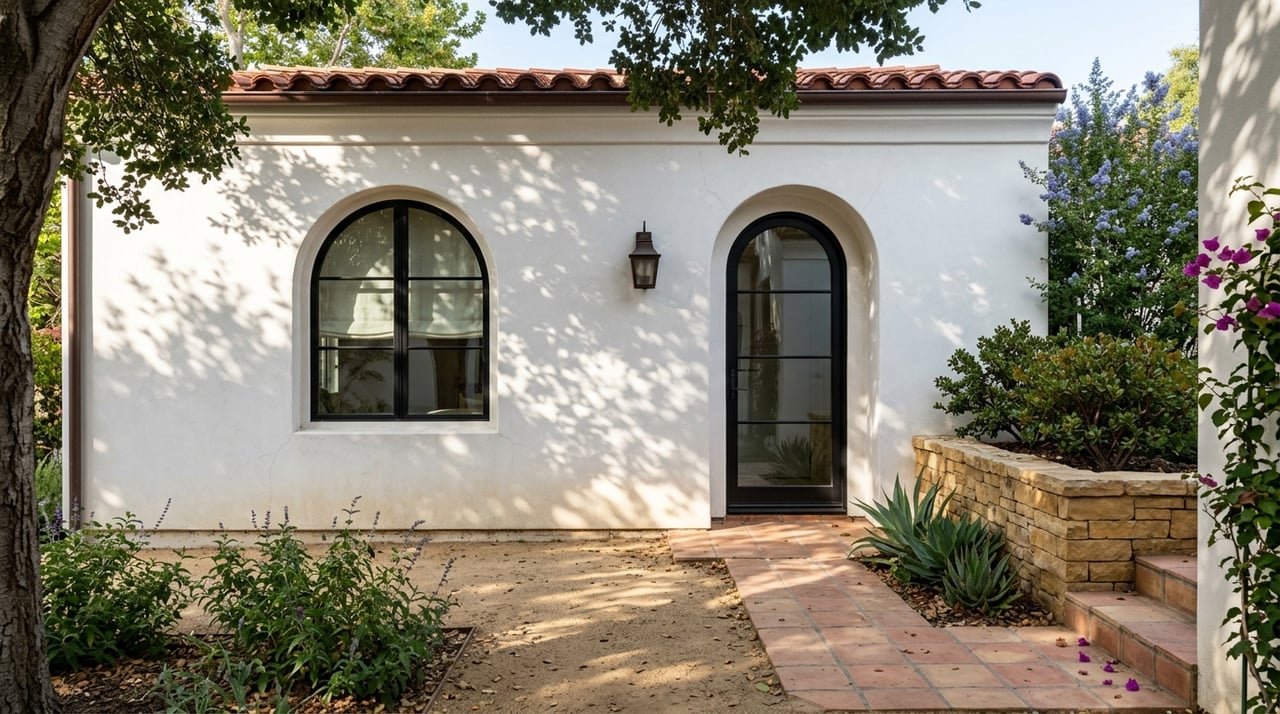
You may see hallmark features such as smooth stucco walls, clay tile roofs, and deeply recessed windows. These design elements help connect the Riviera to Santa Barbara’s wider architectural identity while giving some hillside properties a classic, estate-like presence.
Why Views Matter Here
Views are central to the Riviera experience, but they are also part of the neighborhood’s design culture. City guidelines show a clear emphasis on preserving visual character, view relationships, and the traditional house-to-street pattern.
In practical terms, this means homes are not only valued for what they see. They are also shaped by rules and design expectations meant to protect the neighborhood’s overall appearance.
Design Rules That Protect Character
Lower Riviera guidelines say additions should typically go toward the rear or be set back so the original structure remains legible and views of the front of the house are not blocked. The city also encourages fences and shrubbery that preserve a street-friendly relationship between the house and the street.
That approach helps maintain a lower-profile, more open streetscape. If you are considering remodeling or evaluating a property’s long-term potential, these design standards are an important part of the picture.
Parks, Access, and Getting Around
One reason the Riviera appeals to so many buyers is that it combines hillside living with access to central Santa Barbara. You are above downtown, but still close to many of the city’s key destinations.
That blend can be a major lifestyle draw. You get a more elevated, residential feel without being far removed from downtown activity.
Nearby Parks and Open Space
The Riviera includes access to several parks and open-space areas with views. Franceschi Park is described by the city as a Riviera park with trails, city views, and on-site parking.
Orpet Park offers city views and distant ocean views, while Loma Media Park is a smaller open-space park with notable city views. These spots add to the neighborhood’s outdoor appeal and reinforce the Riviera’s connection to landscape and outlook.
Downtown Connections
Trips downtown are generally straightforward, though often easier by car, shuttle, or a selective walk than by thinking of the Riviera as a flat urban grid. Santa Barbara MTD notes that its Transit Center is downtown on Chapala Street and serves more than 10,000 passengers daily.
MTD also lists a Downtown-Waterfront Shuttle operating in summer 2026 on Fridays through Sundays, connecting downtown with the waterfront, Amtrak, the zoo, and the harbor. The city also offers a Locals’ Weekender Parking Permit for Santa Barbara County residents for weekend parking in downtown lots.
The Tradeoffs to Understand
The Riviera is easy to love, but it helps to go in with clear expectations. This is a neighborhood where privacy, elevation, and views often come with steeper streets, limited sidewalks, and more attention to parking and access.
For many buyers, that tradeoff is worth it. The setting, architecture, and neighborhood identity are hard to duplicate elsewhere in Santa Barbara.
Hillside Risk and Preparedness
The city identifies the Riviera as one of Santa Barbara’s High Fire Hazard Zones. City safety materials note that the Riviera is among the areas with the greatest potential to experience a large, rapidly moving wildfire, and the city points homeowners toward defensible space and home-hardening guidance.
That does not mean hillside living is off the table. It means preparedness matters. If you are buying in the Riviera, it is wise to understand the property’s setting, maintenance needs, and any risk-reduction steps that may be part of responsible ownership.
Is the Riviera Right for You?
If you want a neighborhood defined by views, architectural character, and a close connection to downtown Santa Barbara, the Riviera stands out. It offers a setting that feels elevated in every sense, with winding streets, historic details, and a strong visual identity.
At the same time, it is best suited to buyers who are comfortable with the realities of hillside living. When you understand both the charm and the logistics, you can make a much more confident decision.
Whether you are buying a hillside home, preparing a Riviera property for sale, or simply comparing Santa Barbara neighborhoods, local context matters. For tailored guidance on the Riviera and other Santa Barbara micro-markets, connect with The Hall Team.
FAQs
What is the Riviera neighborhood in Santa Barbara known for?
- The Riviera is known for its hillside setting above downtown, sweeping views of the city, ocean, and islands, and its strong architectural and historic character.
What is daily life like on Santa Barbara’s Riviera hillsides?
- Daily life on the Riviera often includes steep streets, mixed walkability, limited sidewalks in some areas, and more planning around parking and driving than in flatter parts of Santa Barbara.
What types of homes are common in the Riviera?
- The Riviera includes a mix of older homes, especially Craftsman-era bungalows in the Lower Riviera, along with Spanish Colonial Revival homes and larger hillside estates in the broader area.
Are there parks in the Riviera neighborhood of Santa Barbara?
- Yes. Franceschi Park, Orpet Park, and Loma Media Park are all associated with the Riviera and offer city views, with some also offering trails or parking.
Is the Riviera close to downtown Santa Barbara?
- Yes. The Riviera is above downtown Santa Barbara, and downtown trips are generally convenient, though many residents find them easier by car, shuttle, or selective walking routes rather than on a flat street grid.
What should buyers know before purchasing a home on the Riviera?
- Buyers should pay close attention to hillside access, parking setup, sidewalk conditions, design rules that can affect future changes, and wildfire preparedness considerations tied to the area’s topography.