Looking for a Santa Barbara area neighborhood that feels tucked into nature without feeling cut off from town? Mission Canyon stands out for exactly that balance. If you are exploring where to buy or simply want a clearer picture of the area, this overview will help you understand the lifestyle, housing patterns, and everyday appeal that define Mission Canyon. Let’s dive in.
Mission Canyon at a Glance
Mission Canyon is an unincorporated area in southern Santa Barbara County, directly north of and contiguous to the City of Santa Barbara. The planning area covers about 1,122 acres in the lower foothills of the Santa Ynez Mountains. That location gives the neighborhood a close-in feel while still setting it apart from more urban parts of Santa Barbara.
The area is known as a scenic corridor and gateway, with Mission Canyon Road, Tunnel Road, Las Canoas Road, and Foothill Road serving as major access and view corridors. Native vegetation, including coast live oaks, sycamores, chaparral, and riparian species, shapes much of the landscape. As a result, the neighborhood often feels wooded, quiet, and visually layered.
Lifestyle in Mission Canyon
Mission Canyon offers a semi-rural atmosphere that is hard to find so close to central Santa Barbara. County planning documents describe a setting with few street lights, minimal night lighting, and broad views from public roads. Stone walls, bridges, and deliberate landscaping also contribute to the area’s character.
For many buyers, that means Mission Canyon feels more secluded than a typical in-town neighborhood. At the same time, it is not truly isolated. You are still right next to Santa Barbara, which makes it possible to enjoy a more canyon-like setting without giving up access to the city.
A Quieter Daily Rhythm
One of the biggest draws here is the pace. Streets and homes often feel tucked into the terrain rather than laid out in a uniform pattern. If you value privacy, scenery, and a setting that feels shaped by the land, Mission Canyon may feel very different from a standard subdivision.
The visual experience matters here too. Public roads offer broad outlooks, and the area’s lower lighting helps preserve a darker night environment. That combination supports a calm, tucked-away quality that many people notice right away.
Outdoor Access Is Part of Everyday Life
In Mission Canyon, the outdoor lifestyle is not just an image. It is built into the neighborhood. Several well-known destinations sit in or immediately next to the area, making it easy to fit nature, walking, or low-key recreation into a normal day.
Santa Barbara Botanic Garden
The Santa Barbara Botanic Garden is located at 1212 Mission Canyon Road and spans 78 acres. It is centered on California native plants and includes trails for a range of hiking abilities, including more primitive areas. For residents, it can serve as an easy nearby option for a short walk or time outdoors.
Santa Barbara Museum of Natural History
The Santa Barbara Museum of Natural History, founded in 1916, is located at 2559 Puesta del Sol. Its campus includes 17 acres of oak woodland along Mission Creek. This adds a cultural and educational destination to the neighborhood setting, which is part of what makes Mission Canyon feel distinct.
Rocky Nook Park
Rocky Nook Park is a 19-acre canyon park with shaded picnic areas, hiking trails, horseshoes, a children’s playground, and large sandstone boulders. It supports a more casual kind of outdoor time, whether that means meeting friends, spending time outside with family, or enjoying a quick break in nature.
Popular Trail Connections
Trail access is another major part of the area’s appeal. Tunnel Trail begins about three-quarters of a mile up Tunnel Road and connects to Inspiration Point. Rattlesnake Canyon Trail starts at a creek crossing off Las Canoas Road and links into the broader Tunnel Trail system through a connector trail.
For buyers who want outdoor access woven into everyday routine, Mission Canyon offers that in a very tangible way. You do not need to plan a big outing to enjoy the setting. In many cases, the trailhead or park is simply part of the neighborhood landscape.
What Housing Looks Like in Mission Canyon
Mission Canyon is predominantly a single-family neighborhood, but the housing stock is far from one-note. The community plan highlights a wide range of parcel sizes, home settings, and topographic conditions. That variety is one reason the neighborhood can feel so different from one street or pocket to the next.
Parcels in the area range from less than 7,000 square feet to more than 40 acres overall, with some subareas showing even wider variation. In practical terms, that means you may find compact-feeling lots in one section and much more expansive properties in another. Buyers often need to look closely at each micro-area rather than assume the whole neighborhood functions the same way.
Three Distinct Area Patterns
The community plan divides Mission Canyon into three neighborhoods because lot size, density, topography, and natural features vary so much.
- South of Foothill is relatively flat, with parcels ranging from just over 800 square feet to over 10 acres.
- Mission Canyon Heights is steeper and denser, with parcels from less than 500 square feet to more than two acres.
- Upper Mission Canyon has the largest lots, ranging from over 7,000 square feet to more than 40 acres.
This range helps explain why some parts of Mission Canyon feel more compact and others feel more estate-like. It also means buyers should think carefully about what kind of setting they want, including slope, privacy, lot usability, and relationship to the road.
Architectural Character and Streetscape
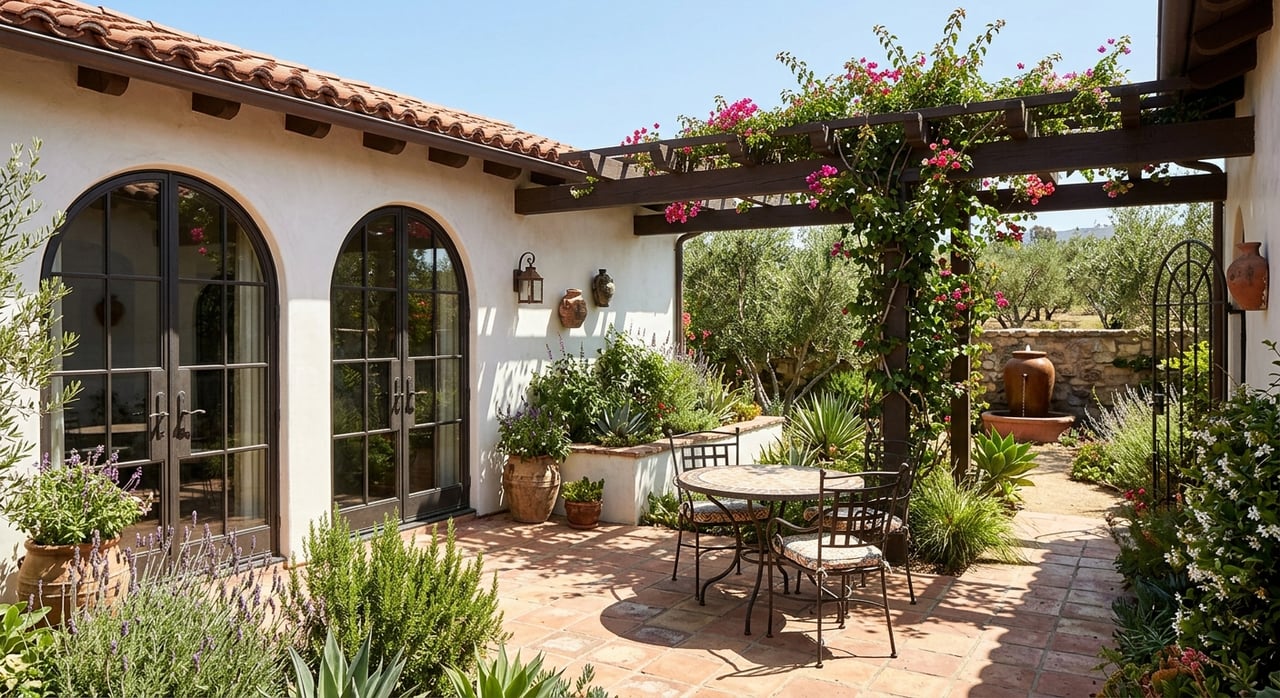
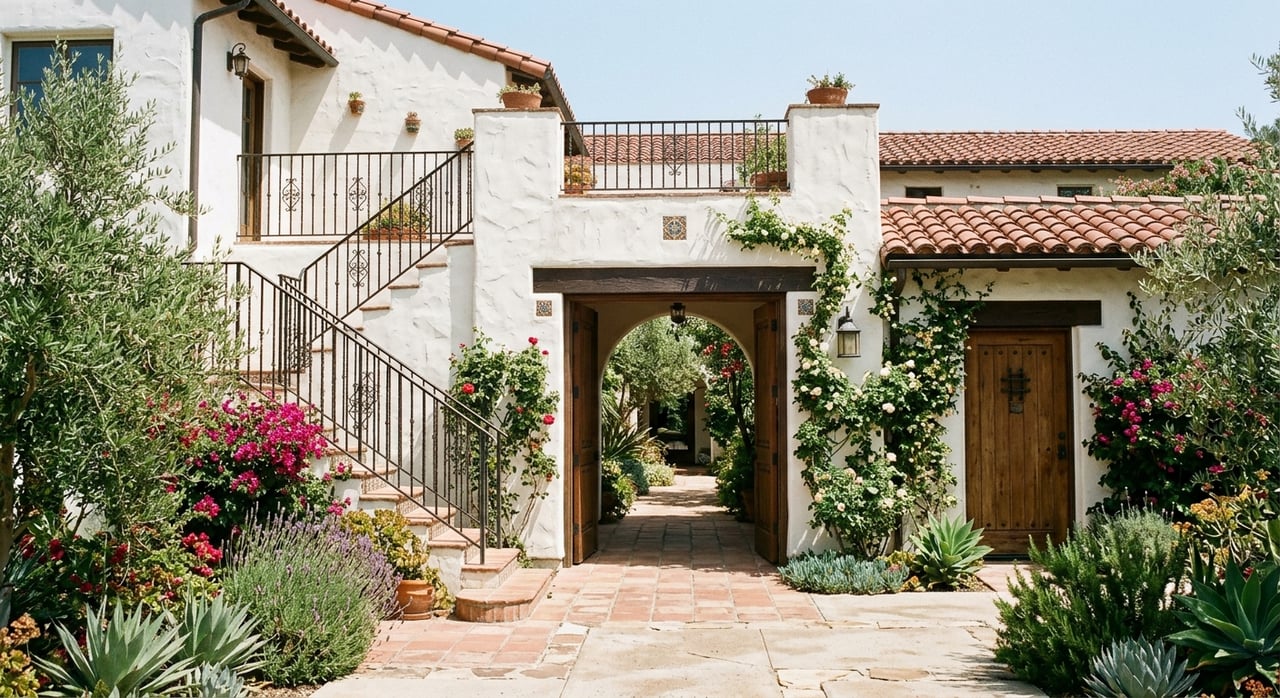
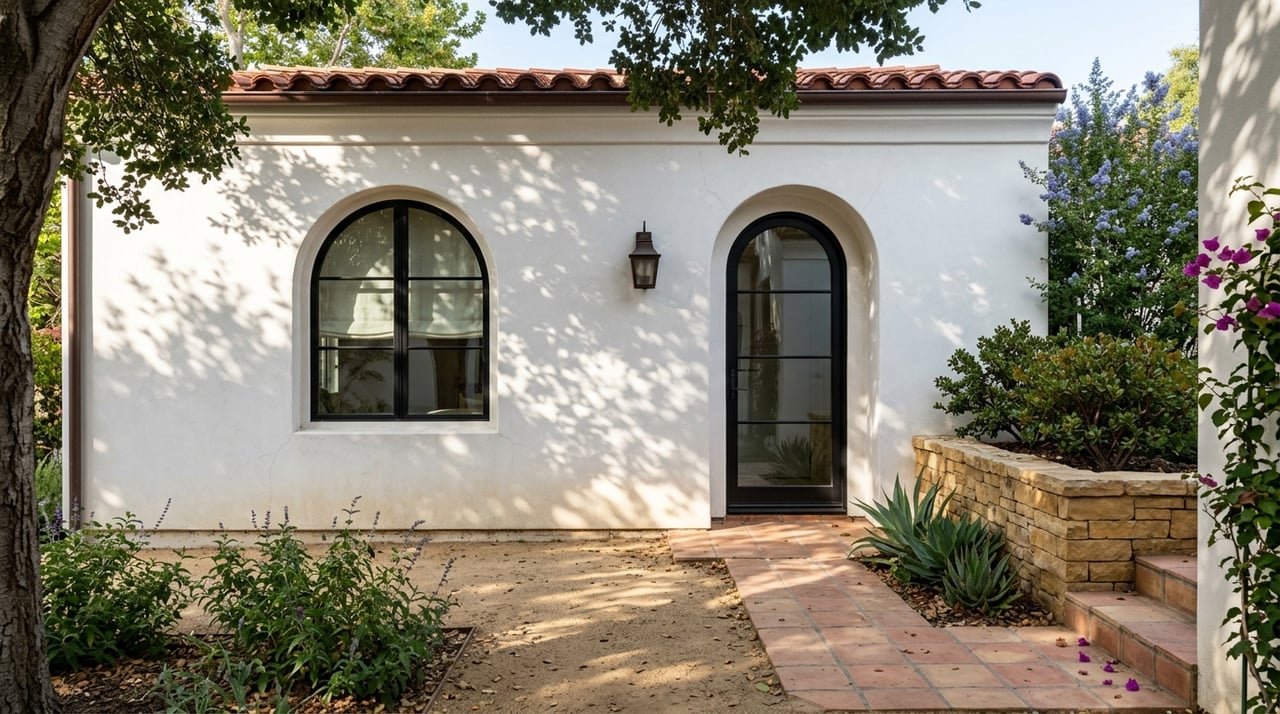
Another defining trait of Mission Canyon is that it does not read like a repeating tract-home neighborhood. The area includes varied architectural styles and design elements, along with historically and architecturally significant homes. Character here comes from the combination of homes, landscaping, roads, and natural topography.
The visual-character section of the community plan notes historic stone walls and bridges, homes set back from the road, and lush front-yard landscapes. Those details create a layered streetscape that feels established and intentional. Instead of uniformity, Mission Canyon offers a more custom, place-specific look.
The area is also shaped by residential design guidelines that address size, bulk, scale, siting, materials, and the treatment of walls and fences for new or remodeled homes. For buyers and sellers alike, that design-sensitive framework is part of what helps preserve the neighborhood’s visual identity over time.
Who Mission Canyon May Appeal To
Mission Canyon tends to appeal to buyers who want more than just square footage. Based on the area’s single-family focus, broad lot-size range, scenic setting, and emphasis on compatibility with the natural landscape, it may be especially attractive if you value privacy, views, and a more design-sensitive environment.
You may also appreciate Mission Canyon if you want a location that feels close to Santa Barbara but not fully urban. The neighborhood offers a different sensory experience, with wooded slopes, winding roads, and a quieter visual rhythm. That can be a strong draw for buyers who want daily access to nature without leaving the Santa Barbara area.
What Buyers Should Keep in Mind
Because Mission Canyon varies so much, home shopping here often requires a more nuanced approach than in neighborhoods with a predictable layout. Two homes with similar square footage may live very differently depending on lot size, slope, setback, or access to nearby trails and roads. Looking beyond the listing photos is especially important.
A few practical factors to think about include:
- Lot shape and topography
- Privacy from the road and neighbors
- Outdoor usable space
- Street access and canyon circulation
- How close you want to be to trails, parks, or cultural destinations
- The overall feel of a specific pocket within Mission Canyon
For sellers, this same variety means thoughtful positioning matters. A home’s lot setting, architectural character, and relationship to the natural environment may be just as important as its interior features when presenting it to buyers.
Why Mission Canyon Stands Out
Mission Canyon stands out because it offers a rare blend of proximity and separation. You are next to Santa Barbara, but the setting feels distinctly canyon-like. That contrast is a big part of the neighborhood’s appeal.
It also stands out for its lived-in outdoor access. With the Botanic Garden, Museum grounds, Rocky Nook Park, and well-known trails close by, the lifestyle here feels grounded in real daily use. For many buyers, that is more meaningful than a generic description of “outdoor living.”
If you are drawn to neighborhoods with scenery, individuality, and a strong sense of place, Mission Canyon is worth a closer look. It is not one-size-fits-all, and that is exactly why it attracts such interest.
If you are considering buying or selling in Mission Canyon or anywhere in the Santa Barbara area, The Hall Team can help you understand the neighborhood at a more detailed, street-by-street level and navigate the market with local insight.
FAQs
What is Mission Canyon like in Santa Barbara?
- Mission Canyon is a quiet, semi-rural area just north of and contiguous to Santa Barbara, known for wooded slopes, scenic roads, broad views, and a more tucked-away feel than many in-town neighborhoods.
Does Mission Canyon feel isolated from Santa Barbara?
- No. Mission Canyon feels more secluded because of its canyon setting, native vegetation, and minimal night lighting, but it is directly adjacent to Santa Barbara and connected by major local roads.
What kinds of homes are common in Mission Canyon?
- Mission Canyon is predominantly a single-family neighborhood with a wide range of lot sizes, home settings, and architectural styles, from more compact pockets to larger estate-like properties.
Is Mission Canyon good for outdoor activities?
- Yes. The area includes or sits near the Santa Barbara Botanic Garden, Santa Barbara Museum of Natural History grounds, Rocky Nook Park, Tunnel Trail, and Rattlesnake Canyon Trail.
How large are lots in Mission Canyon?
- Lot sizes vary widely. According to the community plan, parcels can range from less than 7,000 square feet to more than 40 acres overall, with substantial variation across different parts of the neighborhood.
What makes Mission Canyon different from other Santa Barbara neighborhoods?
- Mission Canyon combines close proximity to Santa Barbara with a scenic, design-sensitive canyon setting, varied home styles, strong outdoor access, and a quieter, more secluded atmosphere.