If you want to live in Santa Barbara and use your car less, downtown gives you some of the strongest options in the city. But not every downtown block lives the same way. Your day-to-day experience can shift a lot depending on whether you choose the State Street core, a Funk Zone-adjacent block, or a quieter residential pocket just off the main action. This guide will help you compare those micro-areas so you can match your home to the kind of car-light routine you actually want. Let’s dive in.
Why downtown works for car-light living
Downtown Santa Barbara is unusually amenity-dense for a smaller downtown. Local downtown materials describe the district as built for walking, cycling, and transit use, which is a big reason buyers look here when they want to reduce daily driving.
The mobility options are also layered in a practical way. The MTD Transit Center on Chapala serves as the hub of the bus system and handles more than 10,000 passengers daily. The seasonal Downtown-Waterfront Shuttle connects downtown with Amtrak, Cabrillo Boulevard, the harbor, and the zoo, while BCycle’s e-bike share includes more than 560 docks citywide.
That said, downtown is not one uniform experience. Downtown Santa Barbara’s own neighborhood guide describes the area as a collection of distinct micro-neighborhoods, including the Presidio, Arts District, La Arcada, Sevilla Square, and Paseo Nuevo. For you as a buyer, that means the right fit depends less on the word downtown and more on the exact block, plaza, or pocket you choose.
State Street core benefits
For the most walk-first lifestyle, the State Street core is the strongest downtown choice. The promenade through the 500 to 1300 blocks of State Street is set up as a pedestrian-first corridor, with city closure ordinances limiting motor vehicles and requiring cyclists to move cautiously and yield.
In practical terms, this is the area where stepping out your front door can feel easiest. Historic blocks, courtyards, and paseo connections create a highly connected central fabric, and the Presidio and Arts District sit right in that broader downtown mix. If your goal is to run errands, grab dinner, meet friends, or connect to transit without planning your car trip first, this area does a lot of heavy lifting.
The tradeoff is activity. The same density that makes the State Street core convenient also makes it one of the busiest and least quiet downtown micro-areas, especially near restaurant and retail clusters.
Parking can also be a friction point. The city’s Residential Permit Parking Program covers several downtown-core areas off State Street, with weekday and Saturday restrictions designed to manage curb space in narrow historic streets. If easy curb parking is high on your list, this may not be your best fit.
Who tends to like the State Street core
This micro-area often makes sense if you want:
- The easiest access to daily errands
- A true walk-first routine
- Fast access to transit options
- Condo or mixed-use living near the center of downtown
- High energy right outside your door
It may be less appealing if you want:
- A quieter nighttime setting
- More privacy from street activity
- Simpler street parking
- A stronger residential feel
Funk Zone-adjacent lifestyle
If you want downtown living with quick waterfront access and an entertainment-forward setting, Funk Zone-adjacent blocks deserve a close look. The Funk Zone is identified locally as a 13-block arts, culture, business, and industrial district between State Street and Garden Street, from Montecito Street to Cabrillo Boulevard.
This part of downtown stands out for its concentration of restaurants, wine tasting rooms, breweries, boutiques, galleries, hotels, and wineries. For a car-light buyer, that mix can make everyday life feel very convenient, especially if your routine includes social outings, hosting visitors, or regular trips toward the waterfront.
Transportation access is a major plus here. The Downtown-Waterfront Shuttle directly links downtown, Amtrak, Cabrillo Boulevard, the harbor, and the zoo, and the State Street undercrossing project was designed to improve the downtown-to-waterfront connection with wider sidewalks and buffered bike lanes.
The tradeoff is pace. Because this area has such a strong visitor and entertainment presence, it is more likely to feel busy on evenings, weekends, and event nights. If you love energy and easy access to the waterfront side of downtown, that may feel like a benefit. If you want calm and separation from activity, it may feel like too much.
Who tends to like Funk Zone-adjacent blocks
This micro-area often makes sense if you want:
- Easy access to the waterfront
- A lively dining and social scene
- Strong shuttle and rail connections
- A condo or mixed-use lifestyle near activity hubs
- A downtown setting that feels active and evolving
It may be less appealing if you want:
- More consistent quiet
- Less visitor traffic nearby
- A lower-energy street environment at night
Quieter pockets off State Street
Not every car-light buyer wants to live on the promenade itself. If you want downtown access without constant street activity, the quieter residential pockets north and west of the core may be a better fit.
Downtown Santa Barbara’s neighborhood guide highlights places like the Presidio, La Arcada, and Sevilla Square as distinct pockets with different character. The Presidio is described as the historic heart of the city with hidden walkways and courtyards. La Arcada is noted as a tranquil off-State plaza, and Sevilla Square as a short-stroll, beach-adjacent enclave with a hidden staircase connection.
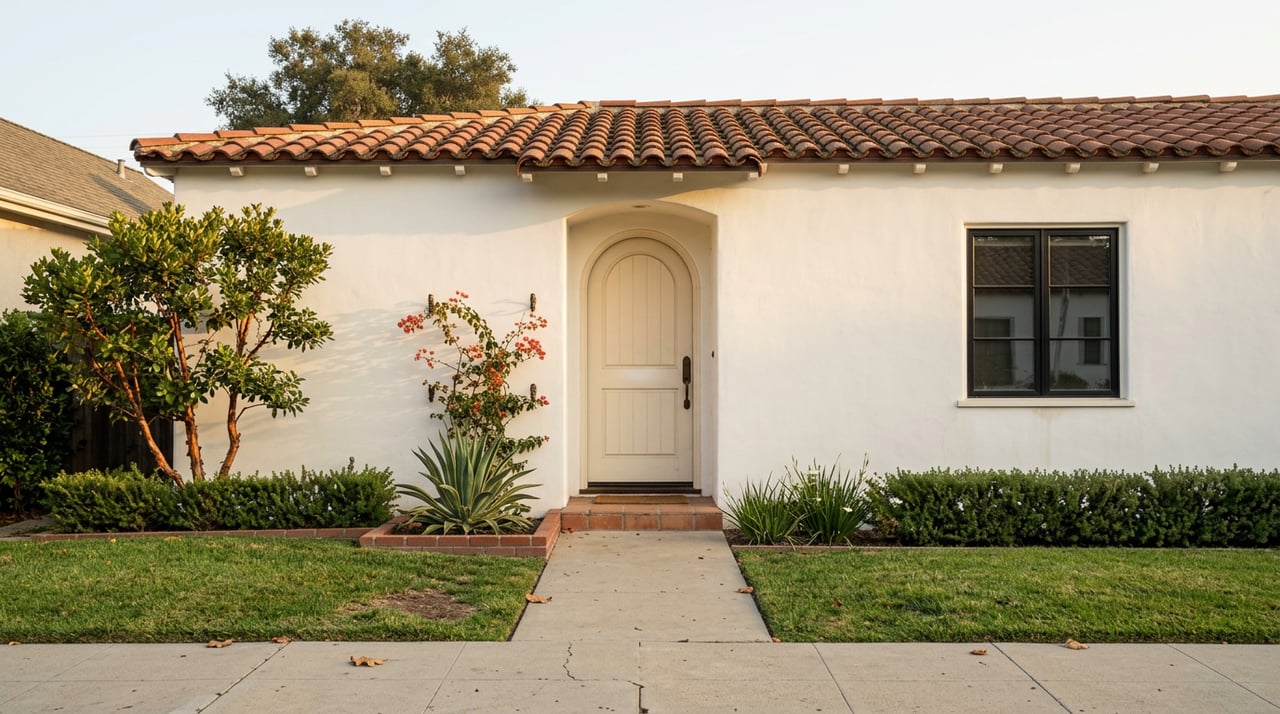
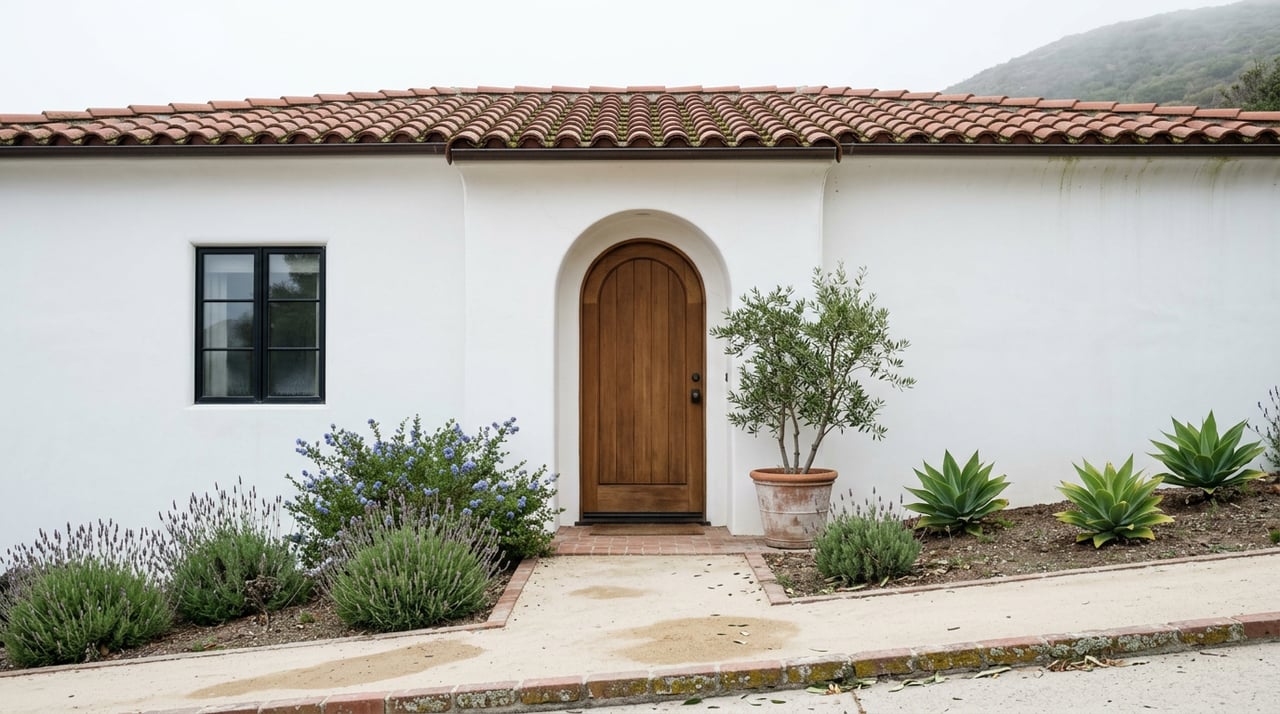
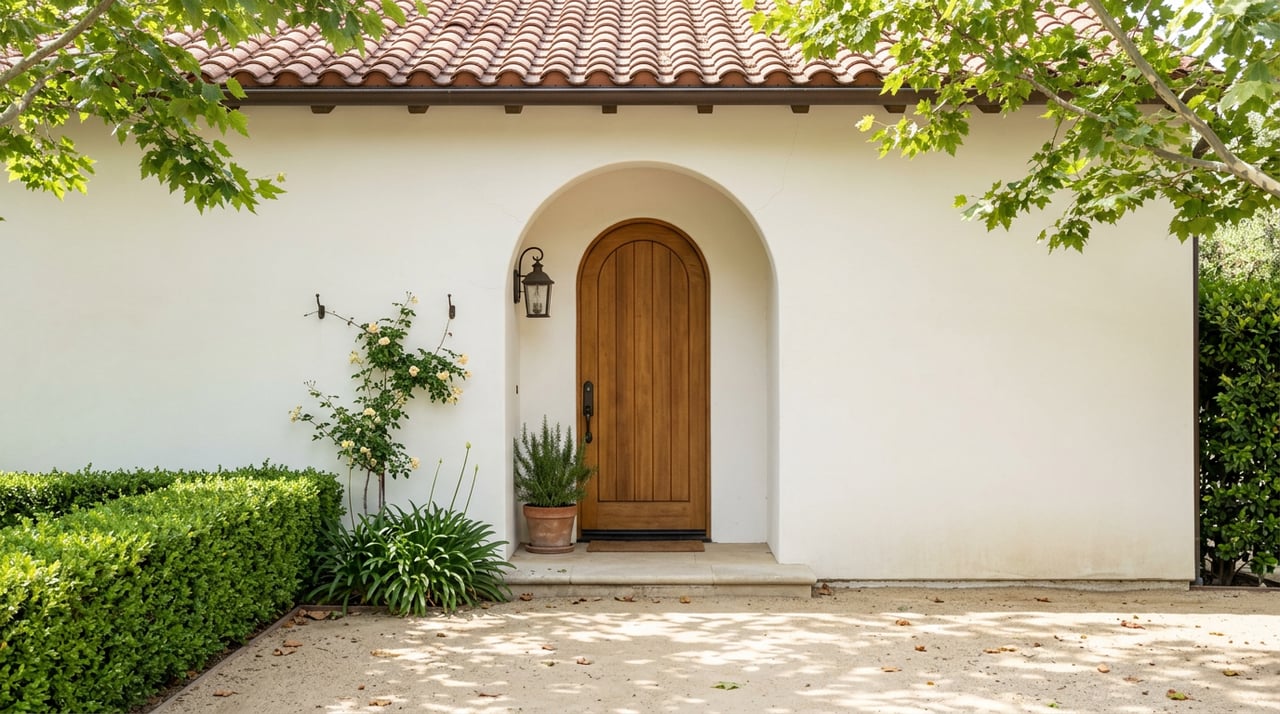
In west-downtown historic areas, city survey work describes primarily residential districts with Victorian and early Craftsman bungalows, along with small Spanish Colonial Revival and National Folk-style single-family homes. The proposed Bungalow Haven Historic District is described as primarily residential, with limited commercial development and walking-distance access to downtown.
For many buyers, this is the sweet spot. You still get downtown walkability, but your front door experience can feel calmer, more private, and more residential at night.
Home type often matters here
These quieter pockets are also the most natural fit if you are drawn to bungalow-style homes or small single-family residences. By comparison, the State Street core and waterfront-adjacent blocks more often align with condo and mixed-use living.
That is not a hard rule, and individual buildings and blocks can vary. Still, as a broad planning lens, it is a helpful way to think about your search if you are balancing walkability against privacy and street activity.
Condo versus bungalow tradeoffs
For many downtown Santa Barbara buyers, the biggest question is not can I walk? It is what kind of street life do I want outside my home?
Condos near State Street, the Arts District, and Funk Zone-adjacent blocks usually make it easier to cut down on driving. Daily essentials are more concentrated, transit access is stronger, and the shuttle and bike-share network can be more useful as part of your routine.
Bungalows and small single-family homes in west- and north-downtown pockets often involve a slightly longer walk into the center. In return, you may gain more quiet, more privacy, and a stronger residential feel.
Parking still matters either way. Downtown curb space is actively managed through permit zones and historic-street parking controls, so it is worth looking closely at parking access when comparing homes, especially if you plan to keep one car while living more lightly.
How to choose the right micro-area
A simple way to narrow your options is to think about your week, not just the map. Where do you want to grab coffee, how often will you use transit, and how much street activity feels energizing versus tiring by the end of the day?
If you want the strongest step-out convenience, start with the State Street core. If you want waterfront access and a lively social environment, look at Funk Zone-adjacent blocks. If you want downtown walkability with a calmer nighttime feel, focus on the residential pockets north and west of State.
That kind of block-by-block fit matters in downtown Santa Barbara. Two homes may both be labeled downtown, yet support very different versions of car-light living.
When you are comparing options, it helps to look beyond square footage and finishes. The better question is whether the home supports the routine you want to live every day. If you want help sorting through downtown Santa Barbara’s micro-areas, The Hall Team can help you compare the tradeoffs and find the right fit for your lifestyle.
FAQs
What is the best downtown Santa Barbara area for walking?
- The State Street core is generally the strongest choice for a walk-first routine because it offers the most immediate access to errands, dining, paseo connections, and transit.
Which downtown Santa Barbara micro-area is quietest?
- The quieter residential pockets north and west of State Street are typically the best fit if you want downtown access with a calmer street edge and a more residential nighttime environment.
Is the Funk Zone good for car-light living in Santa Barbara?
- Yes, Funk Zone-adjacent blocks can work well for car-light living because of their access to the Downtown-Waterfront Shuttle, Amtrak connections, bike improvements, and nearby dining and entertainment.
Are condos or bungalows better for downtown Santa Barbara car-light living?
- Condos near the core often make it easier to reduce driving, while bungalows in nearby residential pockets may offer more privacy and quiet with a slightly longer walk to the center.
Does parking matter if you plan to drive less in downtown Santa Barbara?
- Yes, parking still matters because downtown curb space is managed through permit zones and historic-street controls, so it is important to compare parking access even if you expect to use your car less often.