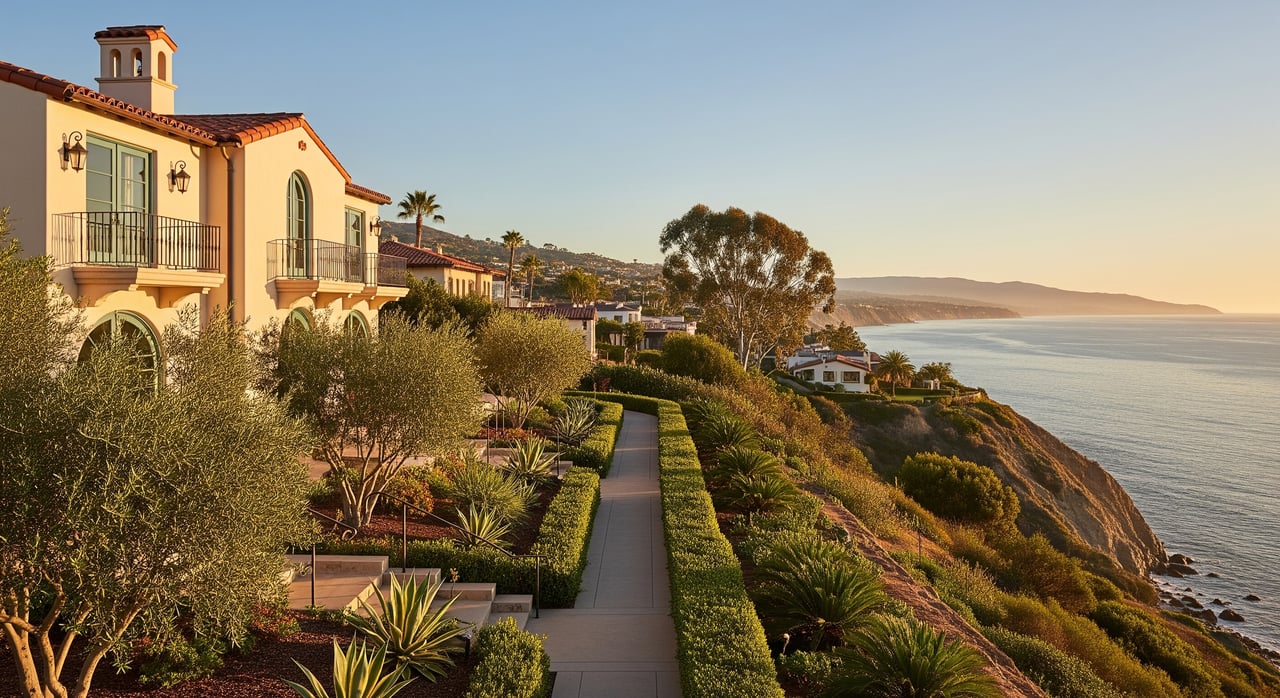
You fall in love with a Riviera home because of the sweeping ocean, city, and mountain outlooks. But will that view still be there in five years? If you are weighing a purchase on Santa Barbara’s hillside, understanding view corridors and easements is essential. In this guide, you will learn what protects a view, what to watch for in records and permits, and how to plan smart due diligence so you can enjoy your outlook for the long run. Let’s dive in.
What a view corridor means on the Riviera
A view corridor, sometimes called a viewshed, is the area from which you can see a particular scene, like the Channel Islands or the city lights. Agents and owners often describe it informally, but it can also be defined by a recorded view easement. Without a recorded protection, a view can change over time due to new construction, tree growth, or permitted landscaping.
The practical takeaway is simple. Unless a view is protected by a recorded easement or private covenant, you usually do not have a legal right to keep it unchanged. City planning and design review can influence size and height of additions, but those processes rarely guarantee any one property’s view.
View easements vs. other protections
A recorded view easement is the strongest private tool for preserving a view. It restricts what can be built or planted on a neighboring parcel that might block your outlook. These easements run with the land and appear in title reports. Scenic or conservation easements, often held by public agencies or land trusts, can also protect open space or height in certain areas.
Private covenants, conditions, and restrictions (CC&Rs) may limit height, materials, or landscaping. They can help or hinder view goals depending on the rules. Unrecorded neighbor agreements are fragile and can change with ownership. Prescriptive rights typically apply to access or utilities, not views, and are not a reliable view strategy.
Common Riviera easements that affect views
Several recorded easements show up often on hillside parcels. Each can shape how you protect or enhance a view.
- Utility easements. These support underground or overhead power, gas, water, sewer, and telecom. They restrict where you can build and may affect site planning for decks, pools, or trees that influence your outlook.
- Ingress and egress or shared driveway easements. Legal access across parcels is common on steep lots. Expect maintenance obligations, possible parking limits, and fewer options to realign driveways for sightlines.
- Drainage and stormwater easements. These move runoff. Grading or landscaping to open a view may be restricted if it alters flow paths.
- Slope, retaining wall, and structural encroachment easements. These allow stabilization or wall maintenance across lot lines. They can limit grading or removal of features that shape sightlines.
- Conservation or scenic easements. These protect open space or scenery in designated areas and strongly limit future development that could block views.
- View easements or view protection agreements. Some specify height limits, tree management, or building envelopes. Read the language carefully. They may restrict some obstructions but allow others.
- CC&Rs or HOA rules. Private covenants can require approval for exterior changes or tree removal. Rules may protect a neighborhood’s character, but they can also restrict your view-improvement plans.
Hillside rules and risks to factor in
Steep slopes shape what is possible on the Riviera. Grading and stabilization often require permits and engineered solutions, which add cost and timeline. Changes in grade can affect neighbors’ views, so expect review and mitigation measures.
Hillsides carry geologic and erosion risks. A geotechnical report is wise for significant construction or remodeling. Past slope work, like large retaining walls, should show up in permit history or in recorded maintenance easements. Drainage plans and stormwater measures also guide where you can build or plant.
Access rules matter. Narrow or shared driveways and emergency access standards can influence additions or roofline changes. The Riviera is also in a wildland-urban interface area. Defensible-space requirements and vegetation management can affect both safety and view quality. Some trees may be protected and require permits for trimming or removal.
How to research records and permits
Early records research helps you avoid surprises.
- County Recorder and Assessor. Pull recorded deeds, easements, plats, and parcel maps by APN or legal description.
- Title company. A preliminary title report will list recorded easements, covenants, and exceptions. Ask it to flag any view or conservation language.
- City Planning and Building & Safety. Review zoning, height limits, design review decisions, building permits, and any outstanding violations.
- County and City GIS maps. Study parcel lines, contours, aerials, and links to recorded maps where available.
- Flood and fire resources. Check drainage constraints and local defensible-space requirements that could influence tree work.
- Land trusts and HOA records. Confirm whether a conservation or scenic easement, or HOA rules, affect the property.
Red flags include easements that limit tree work or height changes, unpermitted slope repairs, open code violations, or nearby development plans that could block your view.
Riviera due diligence checklist
Use this checklist during escrow if a view is a top priority.
- Obtain the preliminary title report and review easements, CC&Rs, and exceptions.
- Order an up-to-date boundary or ALTA/NSPS survey showing improvements, fences, and easements.
- Search the recorder’s index for view or scenic easements and any documents referenced by title.
- Pull building permit history for the home and immediate neighbors, focusing on retaining walls, additions, and grading.
- Commission geotechnical and drainage assessments if the lot is steep or you plan site changes.
- Hire a certified arborist to evaluate trees affecting views and identify any protected species and permit needs.
- Confirm wildfire risk and defensible-space obligations.
- Review any HOA CC&Rs and design review rules that affect tree work or exterior changes.
- If a view easement exists, have a land-use attorney interpret the language and remedies.
- Ask your insurer about coverage and costs for hillside and fire-prone properties.
When to bring in experts
The right advisors can save time and protect your budget.
- Title company. Request a clear summary of all view, scenic, or conservation restrictions and any height or vegetation limits.
- Licensed land surveyor. Map boundaries, improvements, encroachments, and easements so you can see true setbacks and buildable areas.
- Geotechnical engineer. Evaluate slope stability and foundation needs for additions or terraces.
- Civil or drainage engineer. Test drainage feasibility and permitting for any grading tied to view improvements.
- Structural engineer. Inspect retaining walls and stabilization systems for condition and liabilities.
- Certified arborist. Identify protected trees, trimming options, and permit timelines.
- Land-use attorney. Review complex easement language and assess enforcement risk.
Timing matters. Order the title report and survey early. Bring in geotechnical and arborist consultants before you waive contingencies if you plan changes to the site.
Strategy tips for offers and negotiations
Make your view goals clear in your offer strategy and contingencies.
- Tie contingencies to a satisfactory title review, geotechnical report, and arborist findings when appropriate.
- If tree work is essential, negotiate responsibility and permits during escrow and put agreements in writing.
- Ask the listing side about any neighbor communications or planned projects. Check permit applications for adjacent parcels.
- Price in the true cost of surveys, engineering, and potential stabilization so you are not caught off guard post-closing.
Plan for lasting views
Views on the Riviera are a big part of why you buy here, and the hillside setting adds both beauty and complexity. With a clear understanding of view corridors, easements, and local hillside rules, you can set realistic expectations and protect what you love about the property. A focused due diligence plan and the right experts will help you make confident decisions.
If you want a second set of local eyes on a specific property or need referrals to surveyors, engineers, or arborists, reach out to The Hall Team. We are here to help you plan a smooth purchase and long-term enjoyment of your view.
FAQs
What is a view easement on a Santa Barbara Riviera home?
- A view easement is a recorded agreement that limits certain obstructions, like building height or trees, on a neighboring parcel to preserve a specified view for the benefiting property.
How can I tell if my Riviera view is legally protected?
- Order a preliminary title report and review recorded documents for any view, scenic, or conservation easements, then confirm details with a survey and, if needed, a land-use attorney.
Do city design reviews guarantee my property’s view in Santa Barbara?
- No. Design review can influence height and massing, but it rarely guarantees an individual property’s view. Recorded easements and private covenants offer stronger protection.
Can I trim a neighbor’s trees to restore an ocean view?
- Only if you have legal rights to do so. Check recorded easements, local tree rules, and seek neighbor consent. A certified arborist can advise on feasibility and permits.
What inspections should I prioritize for a Riviera hillside property?
- Start with a title review and survey, then add geotechnical, drainage, and arborist assessments. Bring in structural and civil engineers if you plan additions or find slope work.
What are common red flags related to views during escrow?
- Look for easements that restrict tree work or height changes, unpermitted retaining walls or slope repairs, active code issues, and nearby projects that could block your view.